
Huawei Mate 80 Challenges iPhone 17’s Sales Dominance: A New Era in Mobile Market
Summary:
- The latest data shows Huawei Mate 80 has disrupted Apple’s iPhone 17’s long-standing top sales positions.
- Apple’s iPhone 17 series had previously dominated the market since its launch, but its reign appears to be waning.
- Mid-to-low-end models are gaining traction, while Xiaomi’s flagship remains in the rankings as a strong contender.
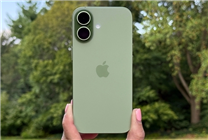
Despite the annual skepticism surrounding Apple’s new iPhone releases, the reality of their market performance speaks volumes. The iPhone 17 series, launched in September 2025, has persistently held the top sales positions, with models like the iPhone 17, iPhone 17 Pro, and iPhone 17 Pro Max consistently ranking among the best sellers. Apple has often been criticized for its pricing and innovation; however, that hasn’t hindered consumer interest and robust order placements for the latest models.
The Rise of Huawei Mate 80
Recent developments have marked a significant shift in the competitive landscape. According to insights from industry analysts, the Huawei Mate 80 has made a substantial impact on the sales charts, breaking into the top three rankings during the week of November 24 to November 30, 2025. This marks the first time Apple’s iPhone 17 series has been challenged at such a high level in recent weeks.
The emergence of Huawei’s latest offering is not merely a fluke; it reflects strategic upgrades and deep consumer engagement. The Mate 80 has been well-received, gaining traction not just in China but also with global tech enthusiasts. As a result, it stands to maintain its upward trajectory in the following weeks, potentially surpassing other models and cementing its place in the top two.
Market Dynamics and Consumer Preferences
The most recent sales data illustrates that while the iPhone 17 series has had a remarkable run, the landscape is changing. The top rankings are also being influenced by the popularity of mid-to-low-end models, including the Honor X70, vivo Y50 (2025 model), and OPPO A5x. These devices appeal to a wider consumer base, offering competitive features at more accessible price points. As consumers become more price-sensitive and value-focused, these mid-range models could continue to gain market share.
Interestingly, despite the rise of Huawei and other brands in the rankings, Xiaomi’s Mi 17 Pro Max remains a notable presence, positioning as the only other domestic high-end flagship competing against giants like Apple and Huawei. Although it currently ranks 20th, its sustained presence in the charts signifies that consumers still seek premium offerings alongside budget-friendly options.
Conclusion: A New Balance in the Smartphone Market
The changing tides in smartphone sales indicate a rich and diverse market. While Apple’s iPhone 17 series has enjoyed a successful run, Huawei’s entrance into top rankings illustrates the volatile nature of consumer preferences. As brands invest in innovation and adapt to market demands, the competition is likely to intensify, benefiting consumers with a broader array of choices and competitive pricing.
As we transition into the coming months, all eyes will be on how both established brands and newcomers continue to vie for dominance in this rapidly evolving landscape. The entry of the Huawei Mate 80 signifies that Apple’s historical sales lead might not be as unassailable as once thought, thus setting the stage for exciting developments in the mobile market moving forward.
With the smartphone landscape constantly evolving, tech enthusiasts and consumers alike should keep an eye on these developments. The competitive atmosphere promises to offer not only more innovations but also better pricing for consumers, enhancing the overall mobile experience.