
Summary
- Market Dynamics: AMD’s CPU market share continues to climb post-Ryzen, drawing closer to a 50-50 split with Intel.
- Intel’s Recovery: Recent Steam survey shows Intel’s CPU share has increased, suggesting a rebound in popularity.
- Price Factors: Intel’s competitive pricing on older models and motherboards may influence consumer purchasing decisions amidst rising memory costs.
Intel and AMD: A Detailed Analysis of CPU Market Trends
In the rapidly evolving landscape of the CPU market, AMD has made notable strides in recent months, reclaiming market share that had been lost. Since the advent of its Ryzen architecture, AMD’s position has strengthened, with its share nearing an even split with Intel, resulting in an increasingly competitive environment.
Recent findings from January’s Steam Hardware Survey indicate that while Intel’s CPU share experienced a decline over previous months, it has recently rebounded. The survey results show Intel’s share at 56.64%, reflecting a modest increase of 0.25 percentage points from the last report. Conversely, AMD saw its share dip slightly by 0.19 percentage points.
Understanding Market Trends
While the fluctuations may appear minimal, they carry significant implications given the vast sample size of the Steam survey. Furthermore, recent spikes in memory pricing have influenced consumer preferences significantly, particularly in the DIY market.
AMD currently operates primarily on the AM5 platform, utilizing DDR5 memory. However, Intel’s offerings also include a substantial number of 13th and 14th generation Core processors, frequently offered at discounted rates, which enhances their appeal. Notably, numerous Intel motherboards, particularly those compatible with DDR4 memory—like the ubiquitous B760 models—remain prevalent in the market.
This shifting landscape suggests that consumers who are recently entering the gaming sphere may lean towards Intel platforms, driven by cost-effectiveness and a broader selection of discounted products.
Intel’s Competitive Edge
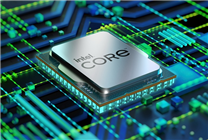
Despite the superior gaming performance of AMD’s Ryzen X3D family compared to Intel’s Core Ultra 200 series powered by the Arrow Lake architecture, the pricing strategy of Intel has proven advantageous. For instance, models such as the Core Ultra5 265K/KF present strong value propositions in a competitive $1,500 yuan range. This pricing strategy perhaps plays a crucial role in the uptick in Intel’s installed machines.
A comprehensive understanding of the current CPU market necessitates acknowledgment of the pricing dynamics, consumer preferences, and product availability. The selling points for each brand are being scrutinized by consumers, who are increasingly inclined to assess their options carefully.
The Path Forward
As Intel continues to navigate the fluctuating market landscape, it is essential to monitor how these trends evolve. AMD’s resilience and innovation will undoubtedly keep the competition fierce, with both companies vying for better market positioning and consumer favor.
The current scenario illustrates a vibrant and dynamic market where strategic pricing, product variety, and user preferences will dictate the future trajectories of both AMD and Intel. Their innovative responses to the changing market conditions will undoubtedly shape the next phase of this competitive analogy, offering exciting choices for consumers.
Conclusion
The CPU market remains a battleground of technological advancement and consumer influence. As the competition between AMD and Intel intensifies, users can look forward to enhanced performance, better pricing, and a greater variety of options suited to their needs. Each company’s response to market demands will play a pivotal role in determining their future success in this fast-paced industry.
By maintaining an awareness of market trends and product offerings, consumers will be better equipped to make informed decisions regarding their CPU purchases, paving the way for a more competitive environment that benefits all users.