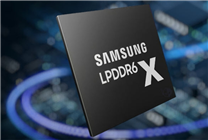

Samsung has announced significant developments in its LPDDR6 memory technology, with the LPDDR6X variant already outlining its potential in industry roadmaps. Initial speeds for the LPDDR6 memory are set at 10.7 Gbps, with improvements in efficiency over current LPDDR5 options. Aiming for a commercial launch in the latter half of 2026, expectations suggest that future iterations could achieve speeds of up to 14.4 Gbps.
This advancement matters primarily for those involved in the tech sector, specifically for developers and manufacturers of smartphones, laptops, and AI solutions. Companies seeking high-performance elements for edge computing or AI applications will find LPDDR6X an attractive option due to its anticipated balance of power efficiency and performance, as it aims to challenge the limitations of traditional DRAM. As it stands, LPDDR6X samples have already been sent to Qualcomm for testing, indicating its role in upcoming AI chip designs.
When considering alternative options, the market currently offers various DRAM types. For instance, while DDR5 is widely available and generally costs around $45-$60 for 16GB, it does not match the efficiency of the forthcoming LPDDR6X. Another alternative is HBM (High Bandwidth Memory), which, despite its superior performance, has higher production costs and complexities associated with its manufacturing process. For consumers looking for cost-effective solutions today, these alternatives serve specific needs but may not provide the futureproofing that LPDDR6X aims to deliver.
Ultimately, LPDDR6X seems particularly suited for manufacturers and developers who prioritize performance in AI and mobile devices, thanks to its better power management and potential for high speeds. However, typical consumers or casual users may find current DRAM options perfectly adequate for their needs, especially if immediate cost is a factor. If you’re not in the market for high-performance computing, sticking with existing DDR or even LPDDR5 alternatives may be the way to go until the new technology becomes more widespread in consumer products.
Source:
news.mydrivers.com