
Reviving Vintage Technology: The 128-Byte USB Flash Drive
Summary:
- A Japanese researcher has created a uniquely large USB flash drive utilizing vintage magnetic core memory technology.
- This device features a capacity of only 128 bytes, illustrating a fascinating blend of retro tech and modern capabilities.
- Key highlights include the non-volatile nature of magnetic core memory and the requirement for immediate data rewriting after read operations.
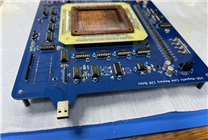
In an era where technology relentlessly strives for speed and expansive storage solutions, some enthusiasts are deliberately revisiting and resurrecting antiquated methods. A recent initiative by a Japanese space science researcher, known as dyd_Nao, has captured attention in the tech community. They have ingeniously crafted a USB flash drive that resembles a dinner plate but offers only a meager capacity of 128 bytes.
The Technology Behind the Drive
What’s truly remarkable about this USB device is its reliance on magnetic core memory, a technology that predates the modern semiconductor solutions dominating today’s landscape. Magnetic core memory was a leading memory solution until integrated circuits came into play and ultimately replaced it with the introduction of Intel’s 1103 in the early 1970s. Initially developed in the 1950s during the MIT Whirlwind computer project, this vintage technology has since nestled itself in the annals of computing history.
To adapt this antique memory type for contemporary use, the researcher has incorporated a Raspberry Pi Pico controller alongside various driver chips and reading amplifiers. The device is further embellished with decorative LED lights, not just for aesthetic appeal but also as an integral part of its functioning.
Key Features of Magnetic Core Memory
One of the standout features of magnetic core memory is its non-volatility, ensuring that data is retained even after the power is turned off. However, it comes with a unique drawback: the very process of reading data leads to its erasure. Consequently, every time data is accessed from this USB drive, the Raspberry Pi Pico controller performs a rewrite cycle immediately afterward. This mechanism can be metaphorically described as "burning" the data after it has been read, an intriguing twist that links this modern device to its historical roots.
Closing Thoughts
This innovative USB flash drive exemplifies the convergence of traditional and modern technology, bridging the gap between past and present. While its practical applications may be limited—given the decoration and experimental nature—it sparks a sense of nostalgia and curiosity about computing’s evolution. The blend of retro technology with modern design principles invites tech aficionados and the general public alike to ponder the profound journey that computing has undergone over the past several decades.
As tech enthusiasts continue to explore this mingling of old and new, the landscape of technology promises to remain as exciting and unpredictable as ever. Whether this flash drive will inspire further experiments with vintage technologies remains to be seen, but it certainly opens up conversations about how far we have come—and the roots from which our current advancements have sprung. The revival of magnetic core memory in such a playful and creative form is a testament to the enduring allure of nostalgic technology.