
Surge in Memory Prices: How AI Demand is Disrupting the Hardware Market
Key Takeaways:
- The hardware market, particularly memory prices, is experiencing significant inflation due to rising demand.
- OpenAI is purchasing extensive quantities of DDR5 memory, affecting availability for consumers.
- Experts predict continued shortages into 2027, fueled by the AI sector’s need for memory supplies.
The technology landscape is currently witnessing an unprecedented surge in memory prices, with no immediate relief in sight. This trend has important implications for consumers and stakeholders within the hardware market.
The Memory Market Crisis
Reports indicate that Team Group Technology has cautioned against viewing recent supply shortages as temporary. The forecast suggests that the most severe impacts will be felt in the first and second quarters of 2026. A “take what you have at the price” situation is anticipated, which may extend well into 2027. This impending crisis is largely driven by a dramatic increase in demand from artificial intelligence (AI), which is reshaping market dynamics.
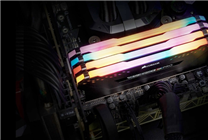
One pivotal player in this escalating demand is OpenAI. Recent insights reveal that OpenAI’s approach to procurement has raised eyebrows in the tech community. The organization is reportedly acquiring vast quantities of the latest DDR5 memory technology, which is not only critical for advanced computational tasks but also integral to enhancing consumer-level products.
The Role of OpenAI in Memory Procurement
OpenAI’s aggressive purchasing strategies are not limited to specialized ECC (Error-Correcting Code) memory typically reserved for servers. In a surprising twist, employees of OpenAI have been spotted in retail environments trying to secure consumer-grade DDR5 memory, generally used by gamers and tech enthusiasts.
This behavior underscores a broader trend within the AI industry—a scramble for resources that can bolster computational power. The purchasing spree has raised questions about the sustainability of memory supplies and the overall impact on consumer-grade availability.
The Financial Underpinnings of OpenAI’s Strategy
While speculation circulates that OpenAI may have the financial clout to monopolize the DRAM (Dynamic Random Access Memory) market, the reality is more complex. Contrary to the perception of abundant resources, OpenAI is navigating a challenging financial landscape. The organization is not yet profitable and anticipates requiring up to $400 billion in funding over the forthcoming year to meet its existing contracts. This substantial need for capital highlights the delicate balance between operational expenses and strategic investments.
Impacts on the Consumer Market
The ramifications of these developments are significant for PC gamers and regular consumers alike. With diminishing availability of DDR5 memory, many individuals face challenges in upgrading or maintaining their systems. Gamers, in particular, are reporting difficulties in sourcing the hardware necessary for optimal performance. As memory prices continue to soar, the market dynamics favor corporations and tech giants, leaving individual consumers vulnerable.
Industry Outlook
Industry experts warn that the ongoing surge in memory prices may persist, driven primarily by the burgeoning needs of artificial intelligence. The intertwining of consumer expectations with corporate demands creates a complex landscape. As the demand for AI technologies continues to rise, the hardware sector must adapt to meet both immediate needs and long-term sustainability.
As 2026 approaches, consumers should prepare for potential shortages and consider strategic purchases. It may be wise to invest in memory supplies while options are still available, despite inflated prices.
In conclusion, the landscape of the hardware market is rapidly evolving, with the demand for advanced memory technologies posing significant challenges for consumers. As OpenAI leads the charge in this procurement arms race, the resulting scarcity raises critical questions about the balance between innovation and accessibility. The memory market, shaped by the needs of AI, will be closely monitored as we move into the coming years.