
AMD’s Next-Generation Graphics Cards: A Delayed Future
Summary
- AMD’s RX 9000 series lacks diverse models and faces competition from NVIDIA’s RTX 50 series.
- Next-gen GPUs may utilize TSMC’s advanced N3P process, but the release is not expected until mid-2027.
- Rising component prices contribute to a stagnant PC market amid prolonged product development cycles.
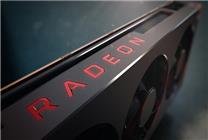
In a recent analysis, AMD’s current landscape in the graphics card market reveals significant challenges. Launched earlier this year, the RX 9000 series features RDNA4 architecture, yet the limited number of models released fails to adequately compete with NVIDIA’s formidable RTX 50 series.
The anticipation surrounding AMD’s next-generation graphics card is mounting. Recent reports indicated a potential collaboration between AMD and Samsung on a new 2nm process. However, reputable sources contradict this claim, asserting that AMD’s next GPU is set to deploy the N3P process from TSMC. This delay paints a picture of an extended developmental timeline, with the next-generation cards now projected for release in mid-2027, nearly two and a half years following the RX 9000’s launch.
Although TSMC’s N3P process is fully operational, AMD’s slowdown in product rollout may stem from internal strategic shifts. The semiconductor industry is currently grappling with rising material costs, leading to increased prices in memory and graphics cards—reportedly rising by 300-500 yuan. This trend raises concerns about the overall excitement within the PC market leading up to 2026, as the lack of fresh offerings becomes increasingly evident.
In light of these developments, AMD’s strategies surrounding its upcoming graphics cards remain largely undisclosed. The company offered a glimpse into its product roadmap during an analyst meeting in November, yet crucial details about the next-generation GPUs were sparse. While AMD confirmed the integration of advanced AI and ray tracing features, speculation continues regarding the future architecture—whether it will continue under the RNDA5 branding or feature a completely reimagined naming convention.
As consumers and industry watchers await further updates, the landscape remains dominated by questions. Will the next generation indeed receive a new naming structure, such as RX 10000, or will AMD stick with its established nomenclature? The gradual evolution of product branding contributes to the intrigue surrounding AMD’s future in the competitive graphics card arena.
With factors such as enhanced architecture and AI capabilities at play, AMD’s upcoming products could either reshape the user experience or risk further stagnation within the market. The next few years will be pivotal, delineating AMD’s path forward as it strives to regain a competitive edge against rivals like NVIDIA.
In conclusion, the situation is dire for AMD’s graphics division, laden with uncertainties as it navigates a challenging environment marked by rising costs and delayed product launches. The eyes of both consumers and competitors will remain fixed on AMD, eagerly anticipating what innovations lie ahead as they prepare to unveil their next-generation offerings in 2027.