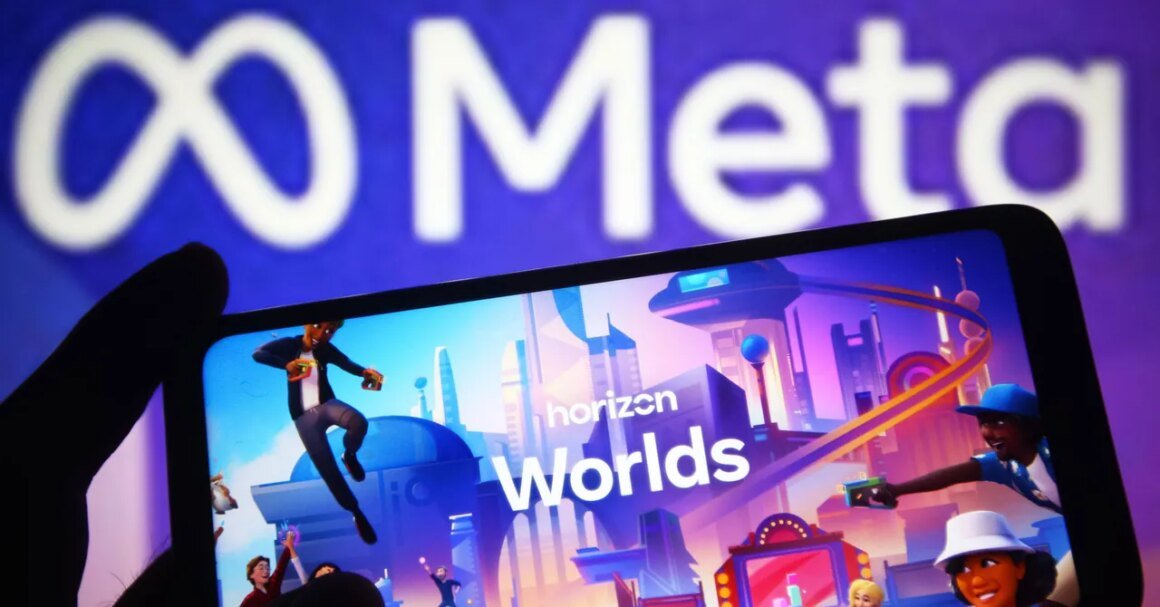

Meta has announced that its virtual reality platform, Horizon Worlds, will officially shut down on its Quest VR headsets as of March 31, with the service being completely unavailable from June 15. This closure comes in the wake of substantial layoffs within Meta’s VR division, reflecting a significant shift in the company’s focus away from its metaverse aspirations.
This news is particularly relevant for anyone considering investment in VR technology or services. As Horizon Worlds was one of Meta’s flagship offerings in the social VR sector, its demise raises questions about the overall viability of social VR experiences. Users of Meta’s Quest headsets, as well as potential buyers, should consider how this closure could influence their decisions about purchasing VR hardware and software.
In terms of market context, Horizon Worlds struggled to compete with established platforms like VRChat and Rec Room, which offer vibrant user experiences and larger communities. While Horizon aimed to provide unique features, it ultimately fell short of attracting a dedicated user base. If you’re looking for quality VR social interactions, platforms like VRChat are widely praised for their content and community engagement, available without the limitations of Meta’s VR hardware. Alternatively, for those interested in fitness through VR, Supernatural provides an appealing experience, although it too faces the challenge of Meta’s evolving focus.
Considering this shift, potential VR enthusiasts might want to weigh their options carefully. Horizon Worlds was aimed at a younger audience, but its limited appeal makes it less attractive for those looking for robust social experiences. Given the recent announcements, someone might opt for platforms that not only possess a more vibrant community but also offer broader accessibility without relying on specific hardware. For first-time VR users or casual gamers, exploring established alternatives like VRChat may provide a better return on investment, especially in light of the ongoing changes within Meta’s VR strategy.
Source:
www.wired.com