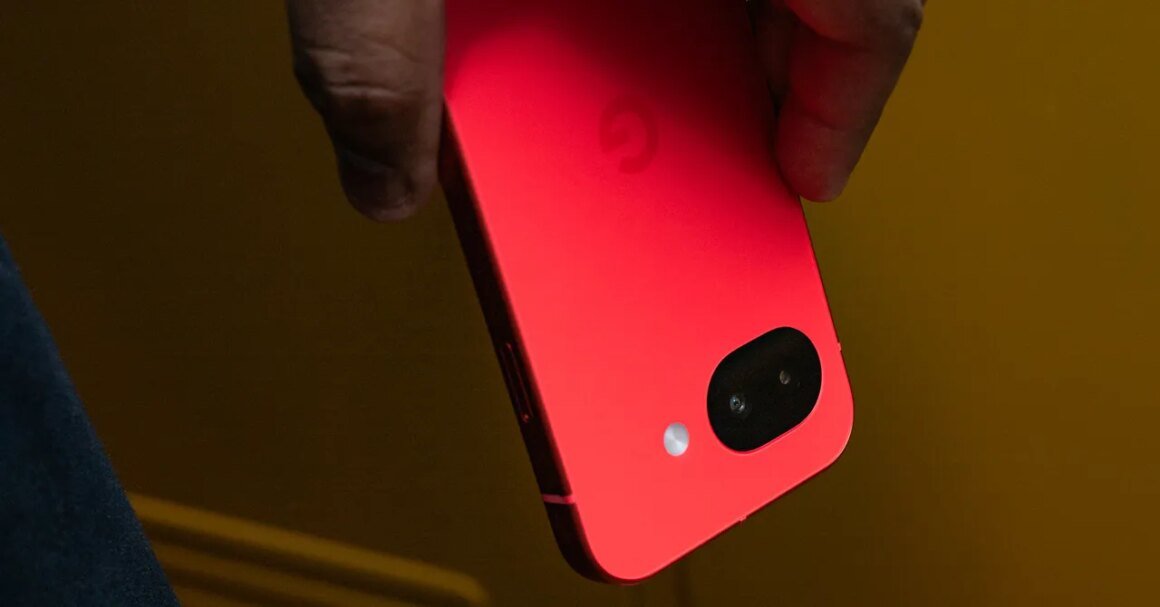

The Google Pixel 10a is a mid-range smartphone that features a peak brightness of 3,000 nits and upgraded protection with Gorilla Glass 7i. Its charging capabilities have also improved, offering 30-watt wired and 10-watt wireless charging options. Despite these enhancements, battery life remains average, requiring daily charging for most users.
This information is particularly relevant for those considering an affordable smartphone upgrade. With its global availability, the Pixel 10a serves as a viable option for users seeking a durable smartphone with solid display quality. It’s especially beneficial for individuals who may frequently use their phones outdoors, as the bright screen enhances visibility in sunny conditions. However, it’s important to note that the lack of advanced wireless charging features, such as support for magnetic charging, could deter some prospective buyers.
In terms of market positioning, the Pixel 10a sits competitively within the mid-range segment, competing against devices like the Samsung Galaxy A54 and the OnePlus Nord N20. Both alternatives offer similar specs but differ in certain areas, such as camera quality and software experience. The Galaxy A54, priced around $450, is well-regarded for its camera capabilities and user interface, while the Nord N20, priced around $300, is known for its stylish design and fast performance. Each option has unique strengths, catering to different preferences within the smartphone market.
Ultimately, the Pixel 10a is a solid choice for consumers who prioritize display quality and charging speed in a mid-range smartphone. However, those seeking superior battery longevity or advanced wireless charging features may want to explore other options. For instance, the Galaxy A54 could be more appealing for users who value photography, while the Nord N20 is likely to attract buyers interested in design and performance at a lower price point.
Source:
www.wired.com