
Samsung’s Groundbreaking Exynos 2600 Processor: A New Era in Mobile Technology
Summary:
- Samsung has officially launched the Exynos 2600 processor, the world’s first 2nm GAA process chip.
- The new processor features a 10-core CPU and a self-developed GPU, marking a shift from AMD’s architecture.
- Enhanced graphics performance, particularly in ray tracing, sets the stage for advanced AI applications.
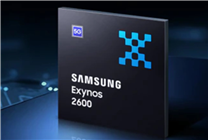
On December 25, Samsung unveiled the Exynos 2600 processor, a significant milestone as it becomes the world’s first processor manufactured using the 2nm GAA (Gate-All-Around) process technology. This launch precedes similar offerings from competitors, including Apple and Qualcomm. The Exynos 2600 will power the forthcoming Galaxy S26 series, showcasing Samsung’s commitment to leading the mobile processor market.
Advanced Architecture
The Exynos 2600 showcases an innovative 10-core CPU configuration. It includes:
- 1 Ultra-large core (C1-Ultra) at 3.8GHz for demanding tasks,
- 3 High-performance mid-cores (C1-Pro) at 3.25GHz for efficient processing,
- 6 Additional mid-cores at 2.75GHz to balance performance and power efficiency.
This architectural design not only enhances computational capability but also optimizes battery performance, making it suitable for power-intensive applications.
Revolutionary GPU Design
The Exynos 2600 introduces the Exynos Xclipse 960 GPU, which boasts a complete architectural overhaul. Compared to its predecessor, this new GPU offers approximately twice the graphics processing performance. Notably, ray tracing capabilities have surged by up to 50%, a critical advancement in the era of immersive gaming and high-fidelity graphics.
For the first time, Samsung has transitioned to a self-developed GPU architecture, moving away from AMD’s RDNA technology previously utilized in earlier models like Exynos 2200 and Exynos 2500. This shift signifies an important turning point in Samsung’s strategy, allowing them greater control over GPU performance and capabilities.
A Strategic Departure from AMD
This strategic move to a self-developed GPU comes amid the expiration of licensing agreements with AMD. Although Samsung had previously leveraged AMD’s RDNA technology, the lack of significant performance advantages in mobile devices may have influenced this decision. As the demand for high-performance graphics escalates, especially in AI applications, it was essential for Samsung to cultivate independent GPU capabilities.
The transition to an internally developed GPU aligns with current market trends, where the integration of AI functionalities in mobile devices requires robust graphics performance. This shift not only paves the way for advanced mobile computing but also opens up the possibility of utilizing Samsung’s GPU technology in a broader range of platforms, potentially including desktop PCs equipped with high-performance ARM CPUs and graphics capabilities.
Future Implications
The successful implementation of the Exynos 2600 and its self-developed GPU could lead to significant opportunities for Samsung. If the GPU performance meets or exceeds expectations, Samsung may further integrate this technology into additional devices or even develop new PC chips, combining its high-performance ARM CPU with its proprietary GPU architecture.
This foundational step positions Samsung as a formidable contender in the global semiconductor market and enhances its chances of achieving self-reliance in key technological areas.
Conclusion
The launch of the Exynos 2600 processor represents a pivotal moment for Samsung, signaling its shift towards self-developed graphics technologies and advancing mobile computing capabilities. As new models hit the market, the implications of this innovation will likely reverberate throughout the industry, setting higher standards for performance and efficiency.
The world will be watching as Samsung rolls out its Galaxy S26 series powered by this groundbreaking technology, anticipating how it will impact both gaming and AI applications in the mobile landscape.
With its groundbreaking Exynos 2600 processor, Samsung has taken a significant leap forward in mobile technology, reinforcing its status as an industry leader and innovator.