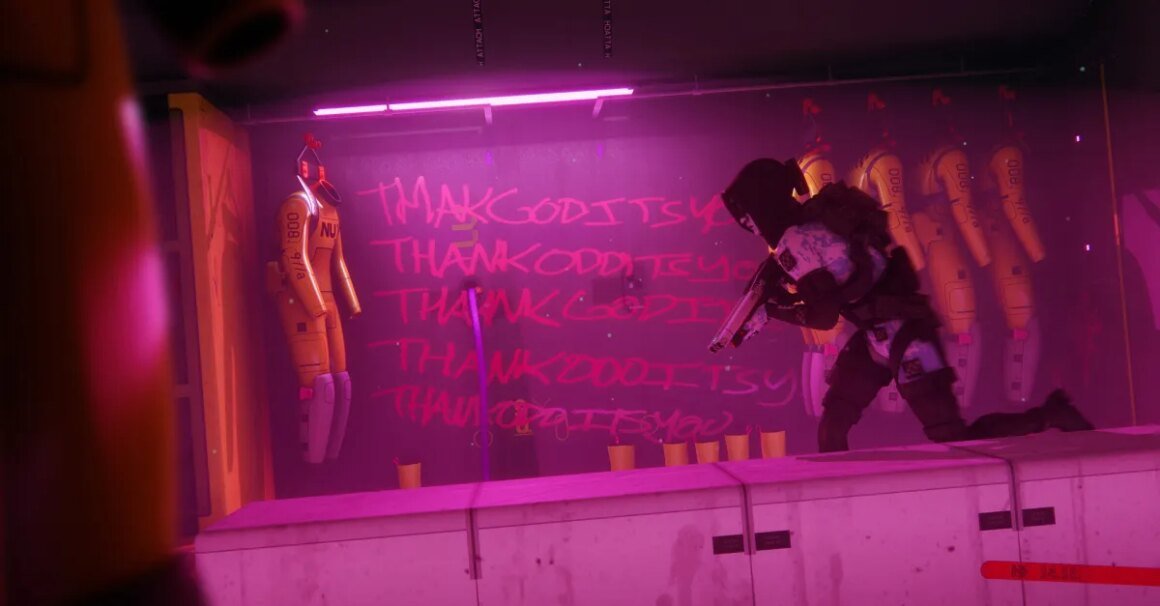

The Rise and Fall of Live-Service Games
The landscape of live-service games, exemplified by titles like Fortnite, is facing significant scrutiny due to a string of high-profile failures. Two years ago, a concert featuring renowned artists in Times Square served as a prime example of the cultural impact that a successful live-service game can achieve. However, many other games in this category have floundered, unable to attract and retain a sustainable player base.
This situation is important for current and potential buyers of gaming products aimed at engaging with live-service games. Titles like Apex Legends and League of Legends have established themselves, making it challenging for newcomers to capture audiences. For gamers considering investing time and money, the rise in cancellations can be a cautionary tale. Players may find themselves invested in games that shut down shortly after release, leading to wasted time and resources.
In terms of market context, while Fortnite remains a titan, many competing live-service games have either shut down or significantly underperformed. Games like Crucible and Hyper Scape failed to gain traction, highlighting the risks of this evolving genre. Alternatives at various price points include single-player titles or smaller multiplayer experiences that often provide richer, more conclusive narratives without the pressures of perpetual engagement. Games like Ghost of Tsushima, priced around $60, deliver a complete experience without the risk of eventual shutdown.
For those heavily invested in live-service games, a successful title can foster a rich ongoing community while providing revenue avenues for developers. However, prospective players should remain cautious. Those seeking a casual gaming experience with less commitment may want to explore standalone games or those with definite endings. An alternative for players hesitant to invest in the volatile realm of live-service games could be engaging with classic single-player games or those specifically designed with upfront costs and finite content.
Source:
www.theverge.com