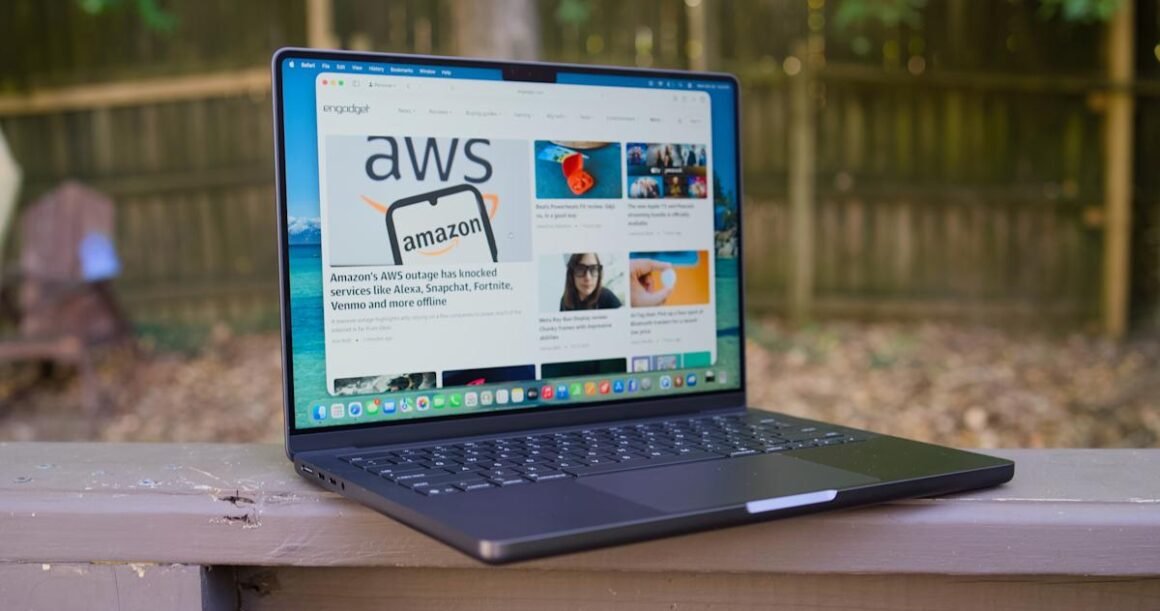

Apple is set to introduce touchscreen capabilities to its premium MacBook Pro line, featuring a Dynamic Island interface similar to what is used on its iPhones. The new models, expected to launch in the fall, will incorporate a refined interface that adjusts based on touch interactions, streamlining the transition between traditional mouse usage and touch input.
This development is pertinent for anyone considering a new laptop, especially creatives and professionals who rely on seamless multitasking. Touchscreen technology, paired with macOS enhancements, could facilitate a more intuitive user experience. If you’re in the market for a versatile laptop that caters both to traditional computing and touchscreen functionality, these upcoming MacBook Pros might align well with your needs. However, it’s essential to see how this feature is integrated compared to existing alternatives.
In terms of market context, touchscreens in laptops aren’t new—many Windows devices already offer similar capabilities, often at a lower price point. Competitors offer a range of touchscreen laptops, with models from HP, Dell, and Microsoft providing entry-level options starting around $600, while higher-end devices with premium features can reach upwards of $1,500. Apple’s new MacBook Pros are likely to start at a higher price, pushing around $2,000 or more, but will come with OLED screen technology for the first time, setting them apart in terms of display quality.
These new MacBook Pros could be ideal for users who prioritize design and functionality together, particularly those already embedded in the Apple ecosystem. However, should you find the integration of a touchscreen unnecessary for your workflow, alternatives like the Dell XPS series or Microsoft Surface devices provide solid performance and touchscreen capabilities at various lower price points. Reassessing your specific productivity needs and whether a touchscreen would genuinely enhance your experience could steer you toward choosing a different laptop altogether.
Source:
www.engadget.com