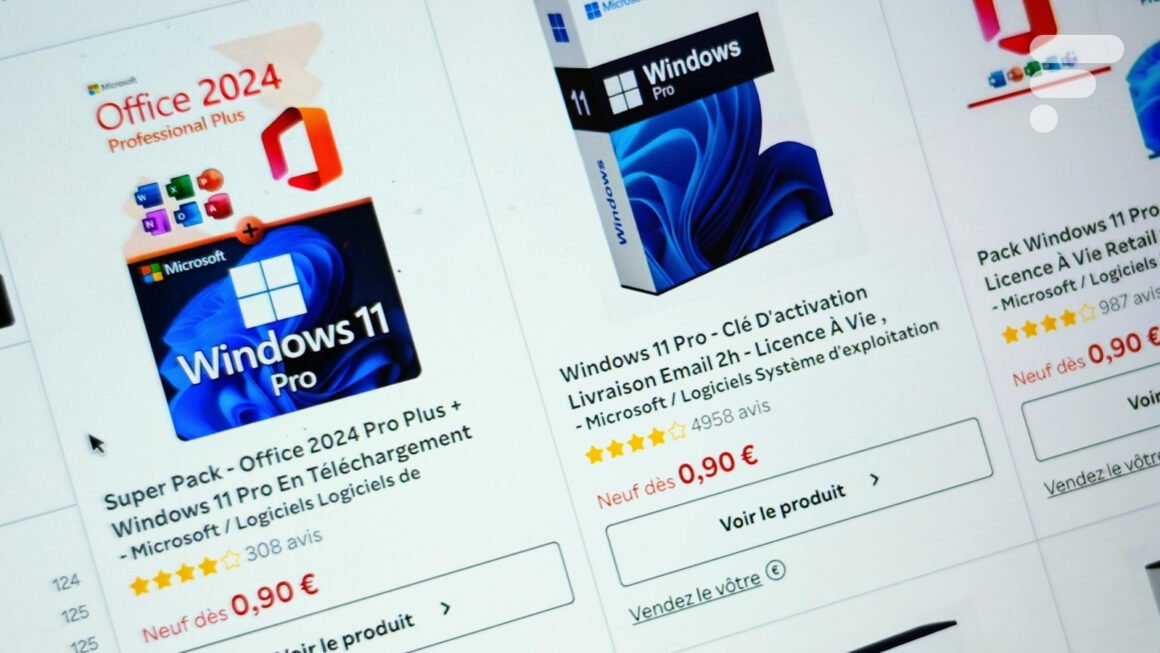

Windows 11 has been seen offered at wildly varying prices—from just $1 to upwards of $150. This significant disparity raises an important question about the legitimacy and source of these licenses, especially for those considering a budget-friendly option for their operating system.
This price difference is particularly relevant for students, budget-conscious individuals, or anyone upgrading their operating system without wanting to break the bank. Many are tempted by the low-cost licenses available on various online marketplaces, but understanding what these prices entail is crucial. The cheap keys typically stem from volume licenses originally designed for businesses, which, according to Microsoft, should not be sold to individual consumers. If you’re looking for straightforward activation and support, spending the extra money may be wiser.
When evaluating where Windows 11 sits in the broader market, it’s clear that official channels provide a more reliable experience despite the higher cost. Standard retail pricing for Windows 11 Home and Pro editions generally ranges from $140 to $260. Alternatives exist, such as Linux operating systems like Ubuntu, which are free and suitable for many everyday tasks, especially for those who don’t require Windows-specific applications. However, factors like ease of use and software compatibility can heavily influence the choice between free alternatives and paid versions.
Ultimately, if the necessity for Windows 11 is clear and you’re willing to navigate potential risks, the low-cost licenses could suit casual users who may not mind the possibility of restricted features or lack of support. Conversely, if peace of mind is a priority—especially for those who rely on technical support or frequent updates—investing in an official license through recognized retailers is advisable. Also, buyers should ensure they aren’t thrown off by seemingly professional-looking sites charging near $20 for keys, as these often circulate the same licenses available for $1. Consider the long-term implications of your choice and weigh the risks against the savings.
Source:
www.frandroid.com