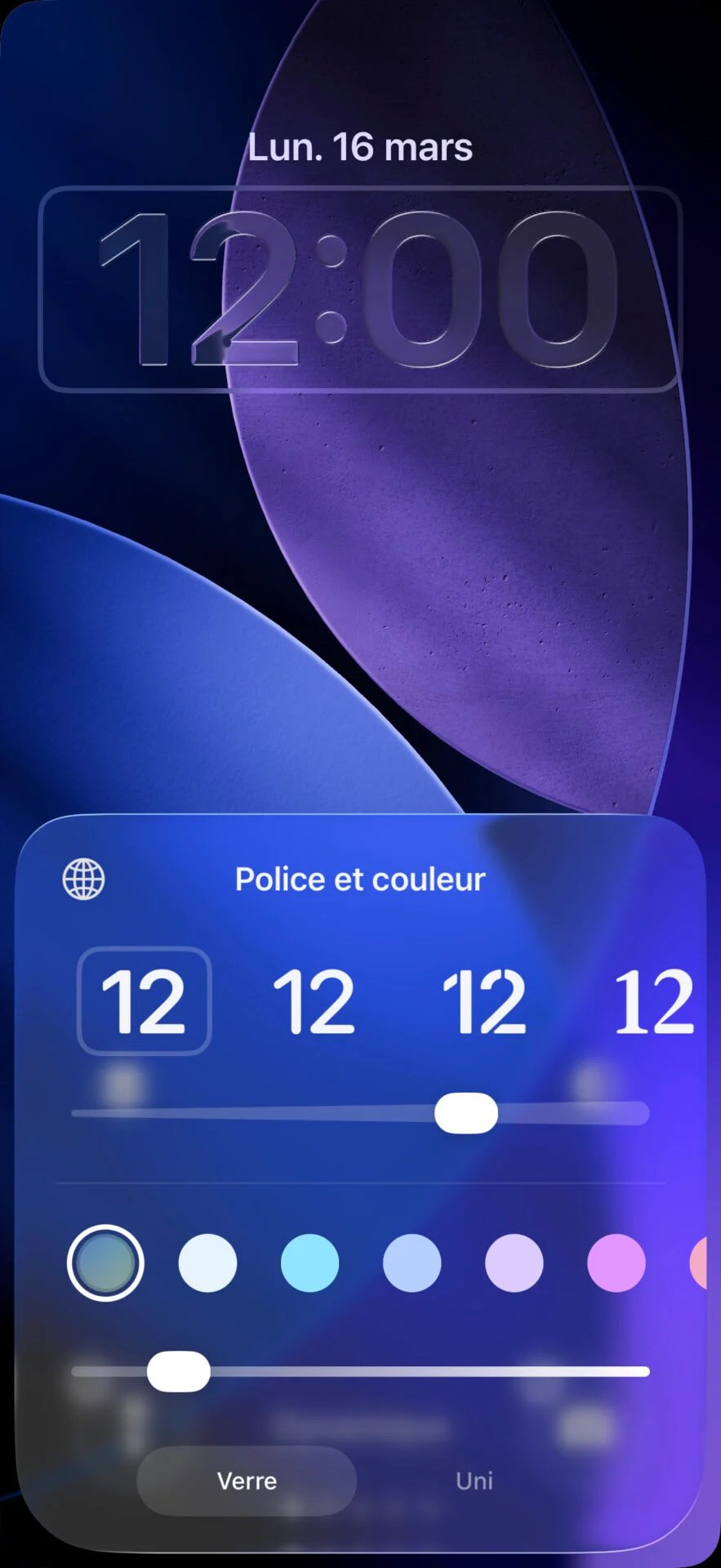

Apple’s Liquid Glass design language is here to stay, as it will not undergo major changes in the upcoming iOS 27 and macOS 27 updates. Introduced last year, this aesthetic incorporates transparency and glass-like properties into Apple’s operating systems, though it has faced criticism regarding readability. Users do have the option to reduce transparency, but visibility remains an ongoing concern.
This new design aesthetic matters to current Apple device owners, particularly those who prioritize visual appeal and UI design when considering their gadgets. If you’re contemplating an upgrade to a new iPhone or Mac, it’s essential to know that Liquid Glass will still be a prominent feature. The approach reflects Apple’s commitment to evolving its design ethos without a complete redesign, which could affect how you perceive new devices in the coming year.
In the market landscape, Apple’s Liquid Glass competes primarily with other design languages from tech giants like Google and Microsoft. For example, Google’s Material Design focuses on depth and motion, appealing to those who favor a more layered interface. Meanwhile, Microsoft’s Fluent Design aims for clarity in user experience. In terms of pricing, Apple’s devices typically sit in the premium segment, with prices for new iPhones starting around $799, while alternatives like the Google Pixel series or various Windows laptops might offer compelling features at lower price points.
This design language is best suited for users who appreciate Apple’s integration of style and functionality. However, if readability is your top concern, or if you find adjustments like reducing transparency inconvenient, it may be worth exploring alternatives. Several Android devices or Windows laptops might better serve your needs without sacrificing clarity for aesthetics. Ultimately, your choice should hinge on what aspects of design are most critical to your daily use.
Source:
www.01net.com