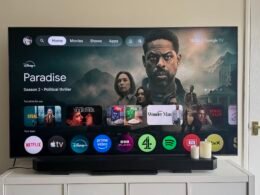

When setting up a home theater, many overlook the fact that the smart TV can be a major bottleneck in Wi-Fi performance. Streaming in 4K can require a minimum of 25Mbps, but as your TV consumes bandwidth, it may hinder other household devices like smart bulbs or security cameras, leading to potential connectivity issues.
This situation is increasingly relevant as homes become more reliant on smart devices. If multiple users are watching videos, gaming, or downloading large files simultaneously, your TV’s streaming could impact overall network performance. This is particularly important for tech-savvy buyers who have a mix of connected devices, as a poorly performing TV can lead to frustrating interruptions across the board.
In terms of market options, many smart TVs available today still come equipped with outdated Wi-Fi technology, like Wi-Fi 5, which struggles to manage multiple connections efficiently. Alternatives, such as those utilizing Wi-Fi 6 or 6E, promise better bandwidth management but at a higher price point. For instance, you might find models ranging from $500 to $1,200, depending on features like display size or smart capabilities. If budget allows, consider media streamers that offer Wi-Fi 6 capabilities for under $100, providing an easier, more efficient way of connecting without relying solely on the TV’s built-in network.
While investing in a high-end smart TV can improve your viewing experience, potential buyers should consider the specific network needs of their household. If you’re primarily streaming in 1080p or have a limited number of devices, the lower-priced options may suffice. Conversely, if you have a robust smart home system or regularly stream in 4K, a TV with upgraded Wi-Fi specs is more suitable. However, be cautious of models that lack Ethernet ports; these can also limit performance. Ultimately, if a top-tier performance isn’t a necessity, or if your streaming needs are minimal, alternative devices may offer a better value.
Source:
www.pocket-lint.com