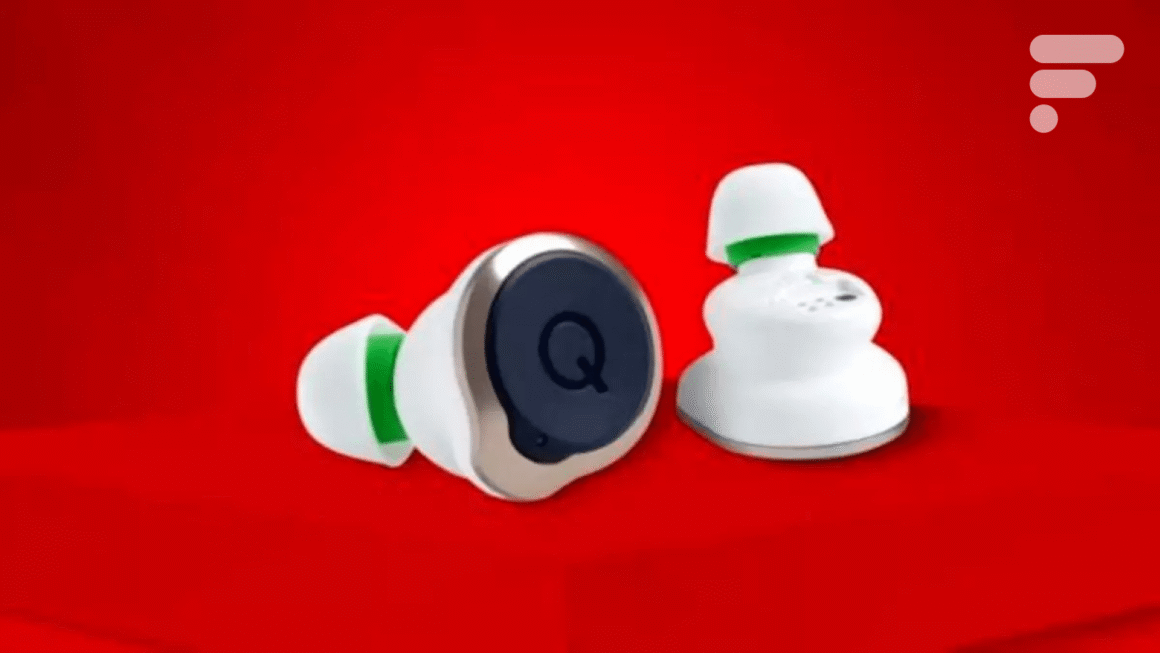

The emergence of Micro-power Wi-Fi technology represents a significant shift in audio connectivity, particularly for wireless earbuds and headphones. By allowing devices to connect to the internet directly, this innovation promises high-fidelity audio transmission over distances previously limited by Bluetooth. While no consumer products are currently equipped with this technology, it holds promise for the future of wireless sound.
This development is especially relevant for audiophiles and tech enthusiasts who prioritize sound quality and connectivity. Micro-power Wi-Fi enables a stable and lossless audio experience, which appeals to those looking for alternatives to traditional Bluetooth options. Given that many consumers are already navigating constraints of Bluetooth, such as limited range and audio compression, the introduction of this technology could influence choices in upcoming purchases, ushering in a new era of audio devices that function autonomously from smartphones.
Comparatively, existing products in the audio space often rely on Bluetooth technology. For example, high-end models like the Sony WH-1000XM5 and Bose 700 headphones, priced around $350, offer excellent sound quality but still face limitations with Bluetooth compression and range. Conversely, entry-level options like the Anker Soundcore Life P3 or Jabra Elite 3, which retail for $80-$120, may appeal to budget-conscious consumers but lack the advanced capabilities promised by Micro-power Wi-Fi. Those focused on high-quality audio should wait for products that implement this new technology, while casual listeners may find existing Bluetooth options sufficient for their needs.
In summary, consumers heavily invested in high-quality audio should look forward to the potential benefits of Micro-power Wi-Fi. However, those who prioritize mobility and convenience may still lean towards current Bluetooth offerings, especially because practical implementations of Micro-power Wi-Fi remain absent in the market. Thus, until this technology is commercially available, staying with proven Bluetooth devices might be advisable for everyday users.
Source:
www.frandroid.com