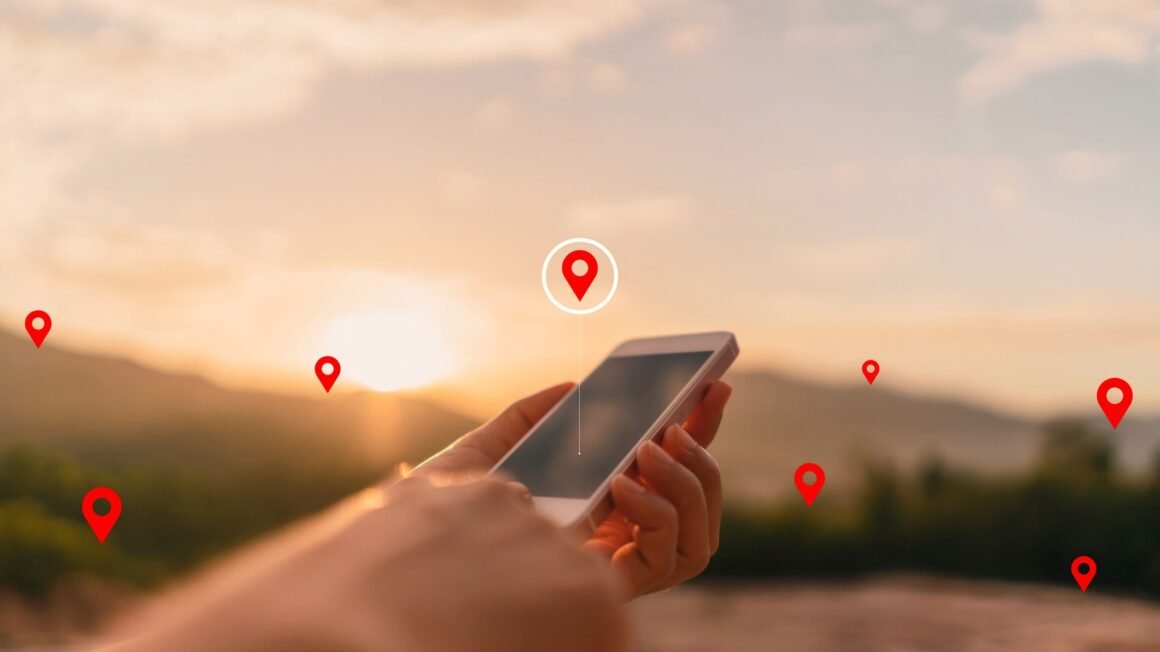

Virgin Media O2 has launched the UK’s first satellite-to-mobile service, known as O2 Satellite, which is powered by Starlink’s Direct to Cell technology. This service aims to enhance mobile connectivity in areas with poor or no traditional coverage, often referred to as “not-spots.” The O2 Satellite service will initially support text messaging and mobile data for popular apps like WhatsApp and Google Maps, and it will require users to pay a monthly fee of approximately $3.
This service is significant for individuals who frequently find themselves in rural or remote areas where mobile coverage is typically lacking. Whether you’re a hiker, sailor, or traveling through less populated regions, the ability to connect through satellite has clear advantages. For now, it’s primarily available to users of the latest Samsung Galaxy S25 series, although support for other devices is anticipated soon, which may extend its usefulness to a broader audience.
In terms of market context, this service is unique in the UK and Europe, significantly increasing Virgin Media O2’s landmass coverage from 89% to 95%. While other mobile providers are enhancing their coverage using terrestrial technology, such as Vodafone’s recent initiatives to eliminate not-spots through infrastructure improvements, the satellite service offers a distinct solution. However, alternatives like traditional mobile plans from companies such as AT&T or Verizon may suffice for those who rarely venture into remote areas, providing robust coverage and a wider variety of supported devices at competitive rates.
This offering is particularly appealing for those who engage in outdoor activities or regularly travel to remote locations and need reliable connectivity. However, it may not be suitable for users who spend most of their time in urban environments, where conventional mobile service is generally reliable. Additionally, if you already possess a smartphone from a different manufacturer, you might find that this service is not compatible, making it less attractive in that scenario.
Source:
www.techradar.com