
### Summary
– **Milestone Achievement**: Hardware experts successfully ported macOS 15.6 to the iPhone 16e, demonstrating impressive capabilities of Apple’s M4 chip.
– **Technical Insights**: The port utilizes both the native M4 chip drivers and adaptions for the A18 chip, although some functionalities remain limited.
– **Challenges Identified**: The porting process highlights restrictions imposed by System Integrity Protection (SIP), requiring a jailbroken device for full functionality.
—
### Revolutionary Porting: macOS 15.6 on iPhone 16e
In an incredible technological achievement, experts have successfully run macOS Sequoia 15.6 on the Apple iPhone 16e. This groundbreaking development underscores the impressive compatibility and adaptability of Apple’s hardware, especially the M4 chip.
**Technical Adaptations and Features**
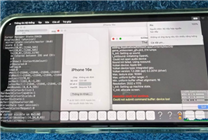
Senior hardware expert Duy Tran shared insights on X platform, revealing that the successful installation utilized the native driver of the M4 desktop chip, enhanced with specific patches for the A18 mobile chip. Actual images from the device demonstrate the functionality of macOS 15.6 on the iPhone 16e, showcasing a total memory of 7.53GB. The incorporation of critical drivers, including the Vulkan driver for graphical performance and Wi-Fi connectivity, indicates the robustness of this adaptation.
While the port demonstrates significant potential, it remains hampered by some limitations. A notable challenge is the inability to run applications, particularly games, due to incomplete driver installations. To fully utilize the macOS environment on the iPhone, a jailbreak may be necessary, opening up discussions around the implications of device security and user autonomy.
**Understanding System Integrity Protection (SIP)**
Duy Tran elucidates that one major obstacle in running macOS on iPads stems from Apple’s System Integrity Protection (SIP). This feature prevents the disabling of core security protocols on embedded devices. Consequently, while the iPhone 16e’s adaptability to macOS is remarkable, the current restrictions provoke debates around Apple’s policies regarding software and device management.
**Visual Evidence and Community Impact**
Supporting visuals confirm the successful implementation of the macOS 15.6 system on the iPhone 16e, bringing the technical discussions into tangible reality. This porting not only showcases individual technical prowess but also ignites interest within the tech community. As users aim to explore further capabilities of Apple’s devices, such innovations pave the way for potential new uses of iPhones and further community-driven projects.
### Implications for Future Developments
The successful port of macOS 15.6 to iPhone 16e raises questions about the future of cross-platform compatibility among Apple devices. It serves as a case study illustrating the potential for enhanced integration across Apple’s ecosystem, suggesting that more seamless user experiences could emerge if these technical barriers are addressed.
As this discussion unfolds, it:
– Encourages developers to explore the limits of existing hardware.
– Inspires innovation within Apple’s community of users and developers.
– Prompts Apple to reconsider its security restrictions and user capabilities.
### Conclusion
The porting of macOS 15.6 to the iPhone 16e is not just a technical milestone; it represents the spirit of innovation that drives the tech community. While challenges like driver incompatibility and SIP limitations persist, the potential for future developments remains vast. As the hardware continues to evolve and the community pushes boundaries, we may see a new era of functionality for Apple’s devices.
**Call to Action**
As we look towards the future of technology, what possibilities do you envision with advancements in cross-platform functionalities? Engage with the community and share your thoughts.