
Micron’s Strategic Shift: Exiting Retail Memory Business to Focus on HBM
- Micron Technology is exiting the consumer retail storage market to concentrate on high-bandwidth memory (HBM) products.
- The decision comes amid a significant price surge in memory chips, with some prices escalating dramatically.
- Micron aims to better serve strategic customers in the booming AI-driven data center segment.
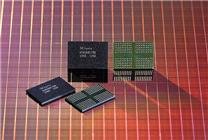
In a surprising move, Micron Technology has announced its withdrawal from the retail memory business to prioritize its efforts on high-bandwidth memory (HBM) products, a crucial component in the rapidly evolving AI landscape. The decision highlights Micron’s long-term strategy to adapt to the increasing demand for advanced memory solutions driven by the growth of data centers.
Context of the Decision
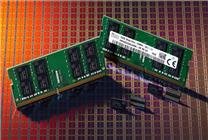
Recent months have witnessed an unprecedented spike in memory chip prices. For instance, a 16GB DDR5 desktop memory module from Micron’s Crucial line experienced a dramatic increase in price—from approximately NT$329 in September to NT$999. Similarly, memory sticks from Samsung with similar specifications surged from over NT$500 to nearly NT$1,300. This volatility in the market underscores the challenges and opportunities facing memory manufacturers today.
Shift from Consumer to Strategic Market
In an official statement, Micron confirmed its exit from the Crucial consumer segment, indicating that all existing inventory will be available until the end of the second quarter of its fiscal year, which concludes in February 2026. While exiting the consumer market, Micron will continue providing Micron-branded products to commercial channel customers globally. Crucially, the warranties on existing products will remain intact, reassuring current users.
Sumit Sadana, Micron’s Executive Vice President and Chief Commercial Officer, expressed that the booming demands of AI-driven data centers necessitated this strategic pivot. He noted, "This difficult decision allows us to better allocate resources to strategically support our larger customers in a faster-growing segment."
Focus on High-Bandwidth Memory (HBM)
Moving forward, Micron aims to invest more heavily in HBM technology, competing alongside industry giants like Samsung and SK Hynix. HBM chips are highly sought after in AI data centers due to their superior performance and higher profit margins compared to consumer-grade memory. This strategic shift positions Micron to capitalize on the increasing emphasis on AI and high-performance computing.
Implications for Consumers and the Industry
The decision to withdraw from the consumer market may lead to short-term inconvenience for individual users who rely on Crucial products. However, industry analysts predict that redirecting resources to HBM could bring significant advancements in memory technology and enhanced support for large-scale AI applications.
As the AI sector continues to expand, companies in the memory space will need to adapt quickly to evolving demands. Micron’s withdrawal from the retail segment aligns with the growing trend of prioritizing partnerships with larger enterprises, which is increasingly necessary for sustained growth in a competitive landscape.
Conclusion
Micron’s exit from the consumer memory market signifies a monumental shift in its business strategy, aimed at fortifying its position in the burgeoning AI and data center domains. As prices for memory products continue to fluctuate, users and stakeholders alike will be watching closely to see how this strategic pivot impacts the memory market and technological advancements in the coming years. By concentrating on HBM, Micron seeks not only to enhance its profitability but also to serve the future needs of AI and other data-intensive applications effectively.
This strategic change not only highlights Micron’s adaptability but also reflects broader trends in the tech industry, where companies must constantly evolve to meet growing demands and technological challenges.