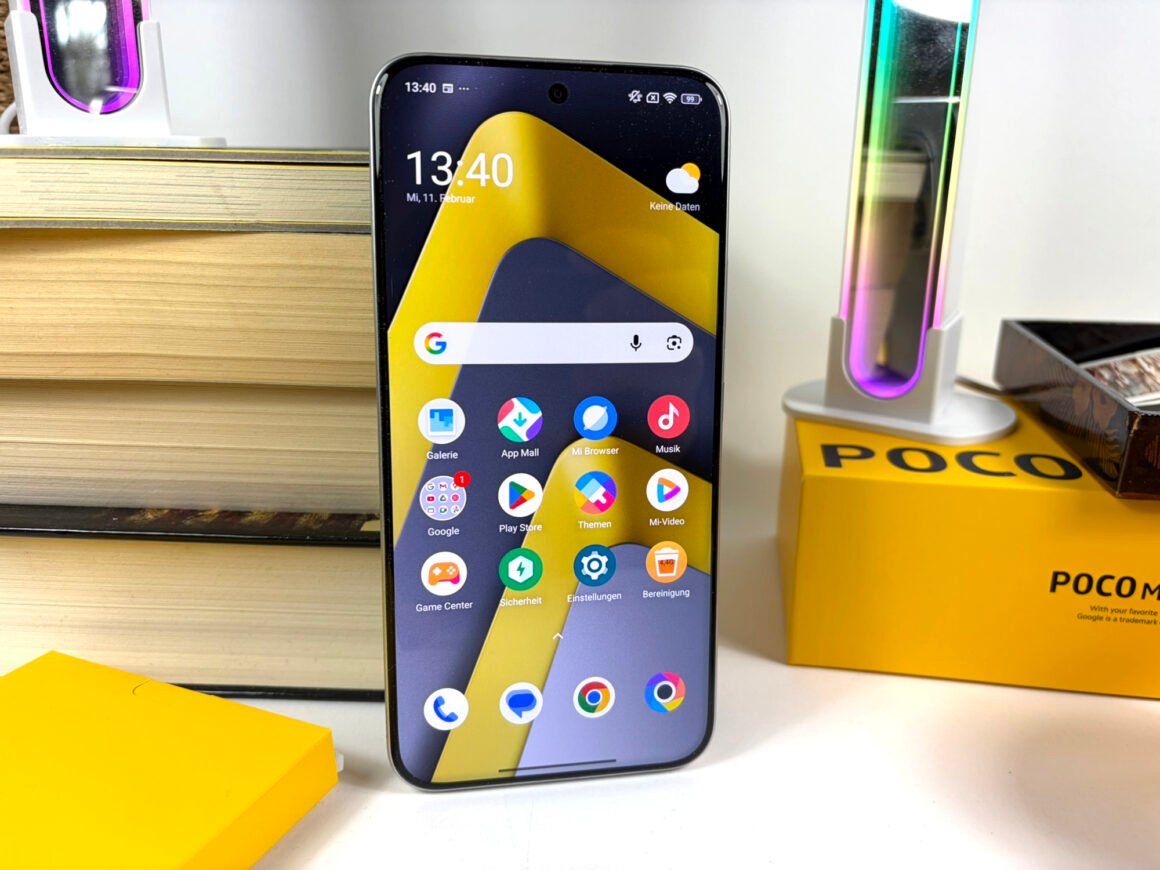

The Xiaomi Poco M8 Pro 5G has recently been unveiled, offering specifications that include an Adreno 810 GPU and a Snapdragon 7s Gen 4 processor, alongside 512 GB of UFS 2.2 flash storage. This model promises robust performance, especially for those looking for a mid-range smartphone solution. While a specific retail price hasn’t been disclosed, it’s positioned to be budget-friendly compared to more premium options on the market.
This smartphone is relevant for consumers looking for reliable performance without the hefty price tag typically associated with flagship models. Its specifications indicate strong gaming capabilities and multitasking efficiency, making it appealing for users who frequently engage in mobile gaming or intensive applications. The global availability of the Poco M8 Pro 5G may not match that of some leading brands, but Xiaomi’s established presence means it should be easily accessible in various regions shortly after launch.
In terms of market positioning, the Poco M8 Pro 5G competes with various alternatives like the Nothing Phone (3a), which features similar performance specs but at a slightly higher price point. Additionally, devices like the Samsung Galaxy A36 5G offer solid performance, albeit at a lower storage capacity and with other trade-offs. The Xiaomi Redmi Note 15 Pro 5G is another competitor, featuring a Dimensity 7400 processor and a similar storage setup, but it caters to a slightly different segment of users focused on camera capabilities.
Overall, the Poco M8 Pro 5G is a suitable choice for those seeking a balanced performance and storage in a smartphone without overspending. However, if your primary concern is photography or a premium build quality, you might want to consider alternatives like the Nothing Phone (3a) or Samsung Galaxy A36 5G, which could offer better value for certain features, despite being pricier. This could be especially relevant for users who prioritize camera quality or brand reputation over raw processing power.
Source:
www.notebookcheck.net