
Xiaomi Unveils New Smart Home Appliance Factory in Wuhan
Summary:
- Xiaomi’s new manufacturing facility in Wuhan is fully operational, marking a significant milestone in its expansion into smart home appliances.
- The factory, built within 11 months, signifies "Wuhan speed," aiming to establish Xiaomi as China’s top major appliance brand in the next five years.
- With a planned investment over 2.5 billion yuan, the factory is set to produce 7 million units annually, with an expected output value of 14 billion yuan.
On October 29, Xiaomi Group officially launched its third large-scale manufacturing facility, the Wuhan Smart Home Appliances Factory. This marks an essential step in the company’s strategy to diversify beyond mobile phones and cars, venturing into the increasingly competitive smart home appliance market.
Rapid Development
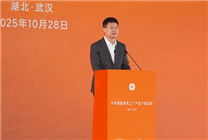
During the completion ceremony, Lu Weibing, President of Xiaomi Group, highlighted the rapid construction timeline of the factory, which took just 11 months from groundbreaking to full operational status. What’s particularly notable is the structural capping, which was achieved in under two months. This efficient timeline exemplifies what is being termed “Wuhan speed,” a phrase increasingly associated with swift industrial progress in the region.
Ambitious Goals
Lu Weibing laid out an ambitious vision for Xiaomi’s future in the appliance sector. Over the next five years, the company aims to establish itself as the leading major appliance brand in China. With objectives to grow its major appliance business to a scale of 100 billion yuan and to secure a position among the top two competitors in the air-conditioning market, Xiaomi is positioning itself as a formidable player.
Lu was clear about Xiaomi’s values, asserting that the company aims to be a contributor to industry progress rather than engage in destructive practices. He noted that Xiaomi will focus on innovation and quality rather than participating in price wars, underscoring a commitment to ethical business practices.
Factory Specifications
The new factory spans over 750 acres (approximately 500,000 square meters) and represents a significant investment exceeding 2.5 billion yuan. This state-of-the-art facility is engineered to reach a peak annual production capacity of 7 million smart home appliances. With an anticipated output value of 14 billion yuan, it has the potential to significantly bolster Xiaomi’s market position in China.
Future of Home Appliances
Xiaomi’s entry into the smart home appliances space is part of a broader trend towards integration and automation in living spaces. With a growing emphasis on smart technology, consumers are increasingly looking for devices that not only serve basic functions but also integrate seamlessly with other smart technologies. Xiaomi’s push into this market aligns with consumer demands for technological advancement, energy efficiency, and connectivity.
Strategic Significance
The Wuhan Smart Home Appliances Factory is not just an expansion for Xiaomi; it stands as a strategic milestone in the company’s quest to dominate the appliance industry. By leveraging advanced manufacturing technologies and processes, Xiaomi hopes to not only meet customer needs but also drive innovation in the sector.
Conclusion
With the establishment of the Wuhan Smart Home Appliances Factory, Xiaomi is laying the groundwork for a robust presence in the competitive smart home appliance market. The next few years will be crucial for Xiaomi as it seeks to realize its ambitious goals and shape the future of home technologies in China. By staying committed to quality and innovation, Xiaomi is not only eyeing growth but also aiming to set a new standard in the smart appliance industry.
As the demand for smart home solutions continues to rise, all eyes will be on Xiaomi to see if it can elevate itself to the top of the appliance market while maintaining its foundational principles of ethical business practices.