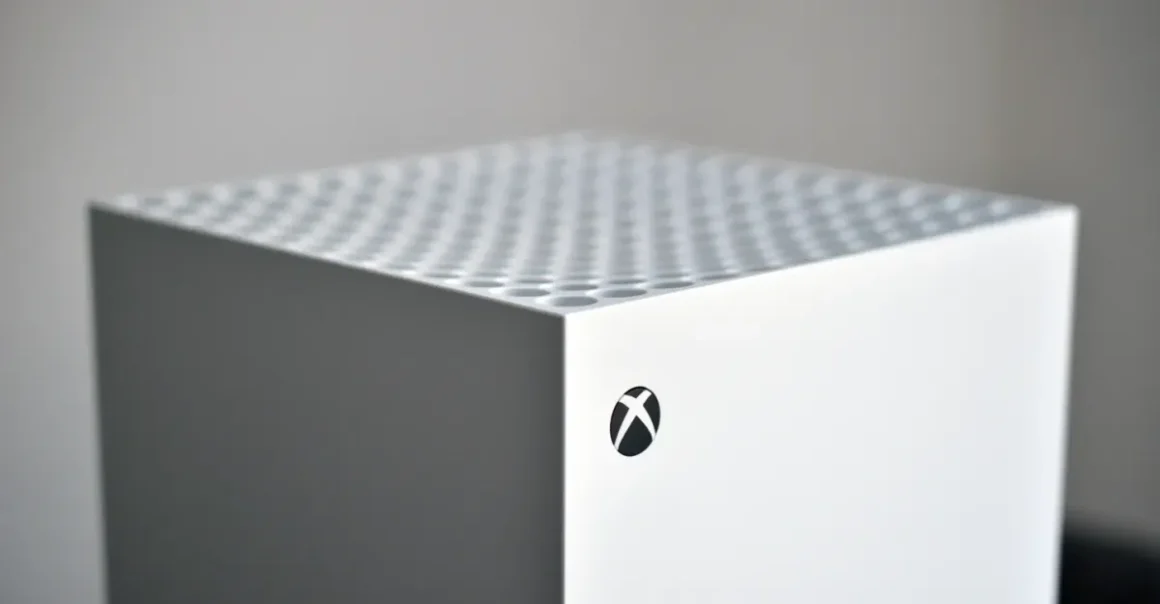

Microsoft has announced its next-generation console, codenamed Project Helix, promising significant advancements in gaming performance. Set to feature a custom AMD chip that purportedly offers a dramatic improvement in ray tracing capabilities, Project Helix aims to enhance graphics and gameplay experiences. Additionally, it will leverage AMD’s new FSR Diamond upscaling technology to create smoother visuals by generating frames through machine learning techniques.
For those considering a gaming console purchase, this development is particularly noteworthy. With the increased demand for high-quality gaming experiences, anyone looking to invest in a device that not only excels in console gaming but also bridges the gap with PC gaming should pay attention. However, it’s important to note that Project Helix is not launching until 2027, meaning buyers currently in the market may need to think twice about their options.
Currently, major alternatives include the PlayStation 5 and the Xbox Series X, both of which offer robust gaming experiences with impressive specs. The PlayStation 5 has a well-optimized exclusive game library and supports advanced graphical performance, but its pricing typically hovers around $499. Meanwhile, the Xbox Series X, priced similarly, emphasizes backward compatibility and the Xbox Play Anywhere initiative, which allows for cross-platform play. While Project Helix looks set to encompass new features and improved technology, its integration with existing platforms will determine how well it competes with these established options.
In conclusion, Project Helix may appeal to those who prioritize cutting-edge technology and advanced gaming capabilities. However, if your gaming needs are currently satisfied by existing consoles or if you prefer a more immediate gaming experience, it may be worth exploring options already on the market. Potential buyers should keep in mind that with a product release still years away, available consoles like the PlayStation 5 and Xbox Series X might suit their needs better in the near term.
Source:
www.theverge.com