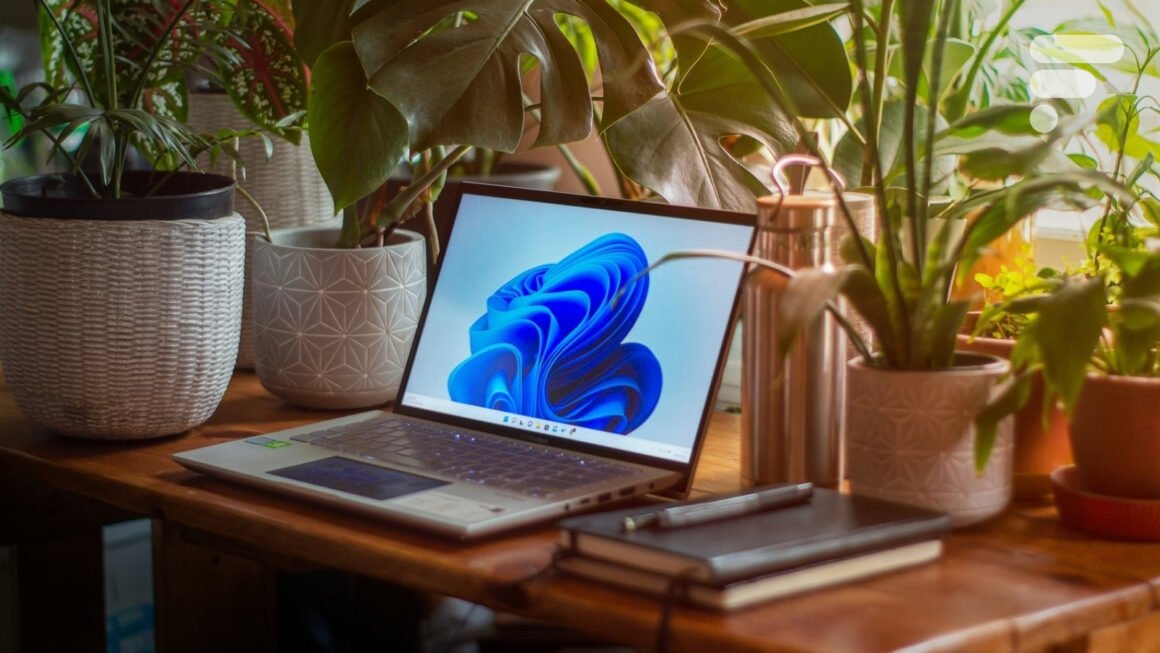

Windows 11 has recently seen a substantial uptick in market share, climbing from 50.73% in December 2025 to 72.57% in February 2026. This shift indicates a significant change within Microsoft’s ecosystem, even as Windows 10’s market share declines to just 26.45% following the end of its official support.
This development is particularly relevant for anyone considering a new operating system or purchasing a new device. Users of Windows 10 may find themselves needing to upgrade, not just for features but also for security, since older versions are no longer supported. However, it’s crucial to note that not all Windows 10 users have the hardware required to transition to Windows 11; many systems are incompatible, especially those lacking a TPM 2.0 chip.
For those looking to buy a PC, this shift might steer you toward devices that come pre-installed with Windows 11. Popular brands like Dell, HP, and Lenovo have a range of models that support this newer OS, often pricing these machines from $600 to over $2,000 based on specifications. Alternatives like Apple’s macOS and various Linux distros have also gained traction amid this transition, with Linux options often more affordable. For instance, certain budget-friendly Linux distributions can run on older hardware and offer a viable alternative if upgrading to Windows 11 isn’t feasible.
Ultimately, Windows 11 is a strong choice for users wanting the latest features and security updates. However, those who cannot upgrade due to hardware restrictions may need to look at either a new machine or consider alternatives like Linux. Additionally, users looking for less demanding software environments or those on a tight budget might find other operating systems more suitable for their specific needs.
Source:
www.frandroid.com