
In the ever-evolving world of television technology, Dolby Vision 2 and HDR10+ Advanced are the newest standards that promise improvements in picture quality. However, with both formats expected to roll out in the next few years and many existing TVs potentially requiring new hardware to support them, consumers may be left questioning whether now is the right time to invest in a new TV. While some brands are confirming future compatibility, many affordable options may not be available until 2027, making this a tricky purchase decision for budget-conscious buyers.
This scenario is particularly relevant for those looking to replace their TV. As of 2026, there are some plans for TCL, Hisense, and Philips to offer models that support Dolby Vision 2, while Samsung is committing to HDR10+ Advanced. However, the reality is that many consumers may find themselves waiting longer than expected for the arrival of a variety of compatible models, especially in the budget and mid-tier markets. With improvements in brightness and texture in television content expected, it might seem wise to hold off until these new standards are more accessible.
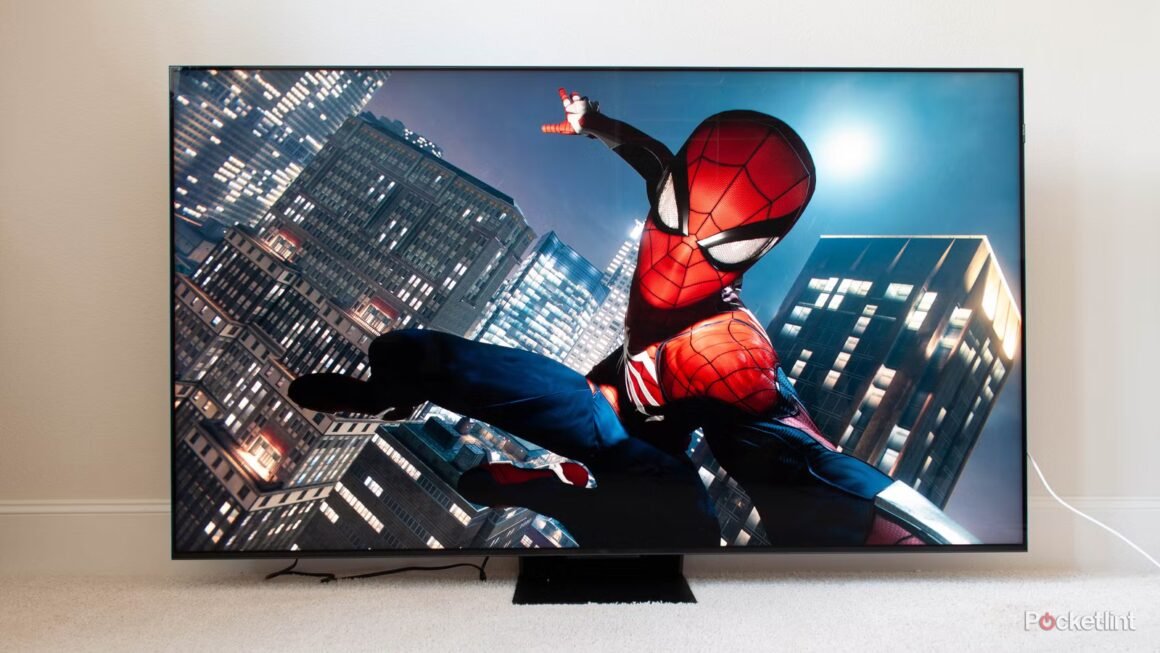
Currently, televisions with the existing HDR standards, like Dolby Vision and HDR10+, remain highly capable and deliver excellent picture quality without needing to spend on next-generation models. You could look at popular options like the LG OLED range or Samsung’s QLED models, both of which are known for impressive color accuracy and brightness. These models are priced between $800 and $2,500, depending on size and features, making them viable alternatives for those who may not wish to wait for new hardware. Budget models often cost under $600, which will serve average viewing habits without relying on the latest HDR standards.
For consumers seriously weighing a new TV purchase, the decision largely comes down to timing and budget. If you require a new television soon and can find a good deal on one that supports current HDR standards, it’s sensible to make the buy. However, if you’re a tech enthusiast eager for the latest advancements and improvements in picture quality, it may be worth holding out until the new models hit the market in a couple of years. On the flip side, if you’re budget-conscious and primarily stream content that doesn’t heavily utilize these new HDR standards, it might be best to stick to current models that already offer impressive quality, bypassing the potential waiting game altogether.
Source:
www.pocket-lint.com