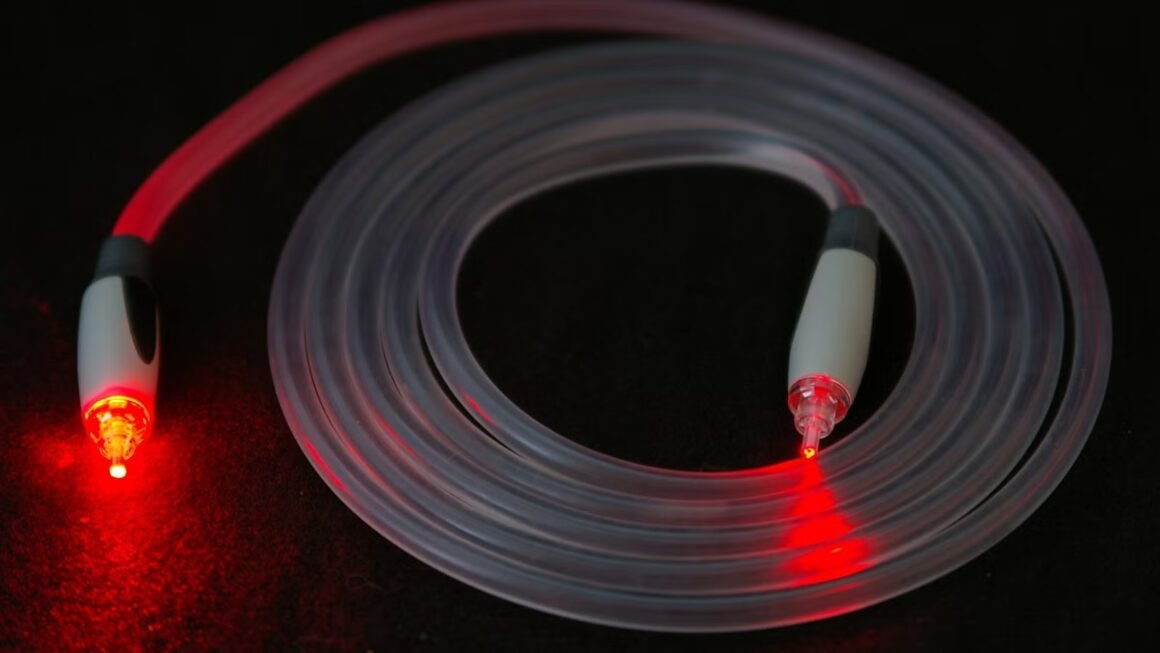

Optical audio connections, commonly referred to as TOSLINK or S/PDIF, provide a digital audio link using fiber optics. Initially developed in 1983, they can carry two channels of uncompressed PCM audio or various compressed surround formats, making them a staple in many home theater setups. However, their efficacy for today’s more advanced formats, especially Dolby Atmos and DTS:X, is critically limited due to bandwidth constraints, with optical connections maxing out at 384Kbps.
This limitation makes optical connections less suitable for consumers who prioritize high-quality sound. For users looking to create a home theater system capable of delivering immersive audio experiences, this knowledge will impact their purchasing decisions. As more devices offer HDMI ARC or eARC options, understanding the differences between these technologies is crucial for anyone in the market for a sound system. The advancements in surround sound formats mean that those choosing optical may find themselves making compromises on audio quality.
Currently, there are several better options available in the market. Devices using HDMI ARC or eARC not only support higher bandwidths—up to 37Mbps for eARC—but also facilitate features like automatic lip-sync correction and CEC support, allowing the speaker to be controlled with your TV remote. For example, a soundbar like the Sonos Beam offers advanced audio capabilities and improved functionality over simply connecting through optical. It’s available at around $400, while budget options like the Sonos Ray utilize an optical connection for about $280, sacrificing some advanced features. For those seeking a fully wireless setup, Wi-Fi-enabled systems can also provide robust alternatives, although they may require a reliable network to avoid issues like audio lag.
Consumers should consider their audio needs carefully. If budget constraints are paramount, optical may still serve adequately, especially in simpler setups or as a stopgap for older equipment. However, for those aiming to invest in a more robust and future-proof home theater system, exploring HDMI options or even high-quality wireless speakers may be more beneficial. Choosing optical could lead to disappointment if audio quality is a significant concern, particularly for those enthusiastic about immersive audio experiences.
Source:
www.pocket-lint.com