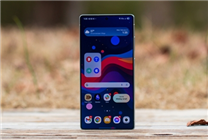

The Evolution of Display Technology: Why OLED Is Taking Over from LCD
Summary:
- Display Technology Shift: LCD screens have been perceived as more eye-friendly; however, they are being phased out in favor of OLED alternatives.
- Technological Limitations: Key drawbacks of LCDs—contrast, structural flexibility, response speed, and energy efficiency—have hindered their ability to compete in the high-end market.
- Consumer Preferences: Today’s consumers prioritize a holistic experience beyond eye protection, which favors OLED technology’s advantages.
In the world of smartphone technology, LCD screens once dominated as the go-to display option, often praised for their eye-friendly characteristics. However, the narrative is shifting dramatically. Major brands including Apple, Samsung, Huawei, and Xiaomi have transitioned to OLED (Organic Light Emitting Diode) and its derivatives, such as AMOLED and LTPO OLED. As a result, LCD screens are now primarily found in budget devices and specific use cases.
The Appeal of LCD: A Closer Look
The belief that LCDs are better for eye health is rooted in two significant factors: flicker control and blue light emission. LCDs typically rely on Direct Current (DC) dimming, which adjusts the backlight’s current without introducing flicker, making them more comfortable for prolonged use, especially in low-light conditions.
In contrast, early OLED screens used Pulse Width Modulation (PWM) to manage brightness, leading to visible flickering at lower settings. This flickering can result in discomfort, dry eyes, and headaches, particularly during extended use. Additionally, LCDs feature white LED backlights that can reduce harmful high-energy blue light through filter technology.
While LCD offers specific advantages in eye protection, these benefits are being overshadowed by other key features that consumers now demand from their devices.
The Downside of LCD Technology
Despite their perceived eye-friendly attributes, LCDs face significant technical limitations that are increasingly magnified in a smartphone market that values cutting-edge performance and design.
-
Contrast and Black Levels:
LCD technology produces a constant backlight, even when displaying black, resulting in dark gray visuals. The contrast ratio typically hovers around 1000:1. By contrast, each pixel in an OLED display is independently activated, allowing for true blacks and virtually infinite contrast ratios. This difference enhances the depth and immersion of the visual experience. -
Structural Constraints:
The multi-layered structure required for LCD panels—including backlight modules, liquid crystal layers, and polarizers—limits their design flexibility and thickness. In an era where sleek and innovative designs are key selling points, the rigid form factor of LCDs has become a disadvantage. OLED displays can be incredibly thin, bendable, and adaptable to various design aesthetics, including curved and foldable formats. -
Response Time:
The reliance on liquid crystal molecule movement leads to a response time of over 10 milliseconds in LCDs, resulting in motion blur during fast-paced content. OLED technology boasts a remarkable response time of less than 0.1 milliseconds, significantly enhancing clarity during dynamic activities such as gaming. - Energy Efficiency:
While LCDs may consume less power while displaying lighter colors, their always-on backlight becomes a liability with high refresh rates, ultimately increasing overall energy consumption. OLED screens can selectively deactivate pixels when displaying darker images, especially with adaptive refresh technologies, thereby conserving energy.
Market Dynamics: Meeting Consumer Demands
In the high-end market, technological choices are never solely dictated by eye health benefits. Consumers increasingly prioritize a comprehensive experience that encompasses visual impact, aesthetic appeal, and innovative functionality. OLED’s superior contrast, color accuracy, brightness, and design flexibility aligns perfectly with these evolving expectations.
Moreover, in recent years, the OLED industry has addressed its prior eye care concerns. Many flagship models now utilize high-frequency PWM dimming, effectively reducing flicker. Brands like Apple have also introduced enhanced designs, such as the LTPO OLED screens in the iPhone 14 Pro, which offer further improvements in eye comfort.
Thus, as OLED technology continues to close the gap in eye protection, its other advantages in performance ensure its dominance in the market.
The Continued Relevance of LCD
It’s crucial to understand that LCD technology has not completely vanished; it remains relevant in specific contexts. High-quality LCD panels still serve well in entry-level products and specialized devices, such as e-readers and senior phones. Some models even feature advanced capabilities like 144Hz refresh rates and full DC dimming to cater to consumers sensitive to screen flickering.
Nevertheless, in the premium segment of the market, OLED has become the standard. This shift represents a confluence of technological advancements and changing user preferences, rather than a dismissal of eye health considerations.
Conclusion
No display technology is without its flaws. While LCD screens present certain advantages in eye protection, their limitations in image quality, structural design, and energy efficiency prevent them from thriving in the premium mobile device space. Conversely, OLED technology is gradually overcoming its earlier drawbacks and balancing high-quality visuals with user health considerations.
For everyday users, the focus should shift from choosing between LCD or OLED to prioritizing practical usage experiences—whether the flicker is perceptible, how intense the blue light is, and the comfort levels during extended screen time. Adopting sound eye-care habits, such as managing screen time and maintaining appropriate brightness levels, can provide more tangible protection for your eyesight than the choice of screen technology alone.
Ultimately, technologies are created to enhance human experience, and making informed choices is the best approach to safeguarding vision health.