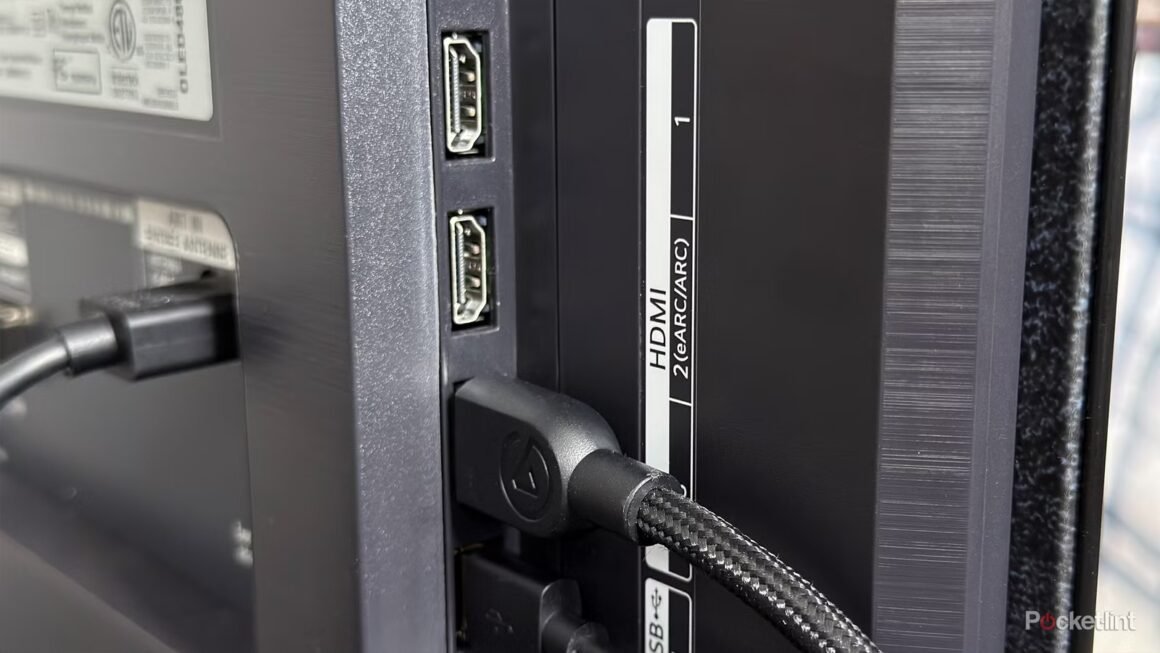

HDMI cables have evolved through multiple generations, with HDMI 2.1 currently being the most commonly available option on the market. As interface standards advance, many consumers may find themselves choosing between HDMI 2.0 and 2.1 cables based on their device compatibility. HDMI 2.1 supports features like Variable Refresh Rate (VRR) and can accommodate up to 120 frames per second in compatible hardware, such as the latest gaming consoles.
This distinction is crucial for devices like the PlayStation 5 and Xbox Series X, which leverage these specifications to deliver optimized gaming experiences. However, merely purchasing an HDMI 2.1 cable does not ensure enhanced performance; users must also adjust specific settings on their TVs to utilize features like VRR or Dolby Vision. Those invested in high-performance gaming and entertainment should consider this when setting up their systems.
In this crowded market, alternative options like HDMI 2.0 cables still provide solid performance for many streaming devices and older consoles, often at lower prices. HDMI 2.1 cables are priced higher, typically ranging from $20 to $50, depending on length and brand. Meanwhile, quality HDMI 2.0 options can often be found for around $10 to $30. Choosing the right cable is contingent upon understanding the capabilities of your devices and the features you plan to use.
For consumers looking to maximize their TV’s potential, HDMI 2.1 is the way to go, especially for those with newer gaming consoles. However, if your viewing habits do not include high-end gaming or the latest visual technologies, an HDMI 2.0 cable might suffice. Ultimately, the decision boils down to how you utilize your devices and whether the benefits of HDMI 2.1 warrant the investment for your specific setup.
Source:
www.pocket-lint.com