
The Upsurge of Apple’s Market Domination: Insights into the High-End Smartphone Landscape
Summary:
- Apple’s Leadership: In Q4 2025, Apple’s iPhone average selling price (ASP) exceeded $1,011, surpassing the combined ASP of major Android brands.
- Profit Distribution: Apple claimed 59% of global smartphone revenue, highlighting the widening profit gap between it and its competitors.
- Brand Trust and Longevity: Apple’s strong brand loyalty and product durability contribute to its sustained high market value, creating challenges for domestic Android manufacturers.
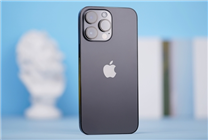
In recent market evaluations, a striking truth has emerged about the high-end smartphone landscape: despite the apparent rise of domestic brands, Apple continues to dominate. The fourth quarter of 2025 saw the average selling price (ASP) of Apple’s iPhone surpass $1,011 (approximately RMB 7,028), while the leading Android competitors—OPPO, Samsung, vivo, and Xiaomi—consolidated an ASP of only $895. This stark contrast underscores a crucial reality: the cumulative ASP of these four brands still falls short of that of a single iPhone.
Understanding Apple’s Revenue Stranglehold
Counterpoint Research indicates that in Q4 2025, global smartphone market revenues surged by 13% year-on-year, achieving a record $143 billion. Astonishingly, Apple alone captured 59% of that revenue. The ASP of an iPhone significantly eclipses the industry average of $424, leading to considerable profit margins for high-end models, especially the Pro series. Industry analyses suggest Apple monopolizes over 80% of the global smartphone profits, affirming its stronghold on the high-end market.
The Performance of Domestic Brands
Despite soaring revenues for some domestic manufacturers, the statistics illustrate a troubling picture:
- OPPO: Revenue increased by 23% year-on-year, with an ASP of $258.
- Vivo: Revenue saw a 6% year-on-year rise, with an ASP of $233, driven primarily by mid-range models.
- Xiaomi: In contrast, faced a 9% drop in revenue with an ASP of only $155 and a 11% decline in shipments.
Apple’s record-high ASP showcases that scaling up prices is not enough to claim a dominant share; it is the perception of value and brand trust that significantly drives consumer choice.
The Brand Loyalty Factor
Apple’s enduring appeal, cultivated since the iPhone 4, solidifies its position in users’ minds as the quintessential high-end smartphone. Its ongoing innovation, particularly in the Pro series, garners customer loyalty that transcends mere hardware comparisons. Domestic brands, while closing in on flagship specs, face the uphill battle of overcoming consumer perceptions that take time to foster.
Supply Chain Dominance
Apple’s strategic power within its supply chain is a critical aspect of its market leadership. Reports indicate that Apple’s massive order volumes and established supplier relationships allow for consistent component acquisition and cost management. In comparison, many domestic manufacturers, like Xiaomi, struggle to maintain profitability amid rising component prices, further complicating their ability to compete.
Durability and Residual Value
Data supports that iPhones retain a residual value 45% higher than Android counterparts. The iPhone’s durability ensures a consistent user experience, sustaining functionality for years. For instance, the iPhone 5s, released in 2013, still receives software updates—a feat unmatched in the Android ecosystem, reinforcing Apple’s reputation for longevity. This long-term usability not only leads to a satisfactory user experience but also diminishes total cost of ownership by recovering significant value upon resale.
The Ecosystem Advantage
Another formidable asset is Apple’s ecosystem, comprising over 2.5 billion active devices globally. The seamless integration of hardware, software, and services fosters incredible user loyalty, presenting a barrier for competitors. Domestic brands struggle to create a comparable ecosystem, making it challenging to capture the same level of user reliance and satisfaction.
Future Trends in High-End Smartphone Market
Looking ahead, the global smartphone ASP is projected to rise further in 2026, spurred by increasing demand for high-end devices and advancements in technology. Domestic manufacturers must pivot away from merely elevating prices; they need to focus on enhancing perceived value. This encompasses long-term brand development, improvements in the supply chain, and fostering a rich ecosystem that rivals Apple’s.
Conclusion
The trajectory of Apple’s market dominance is a testament to the power of brand perception, supply chain adeptness, and product resilience. For domestic manufacturers, the challenge lies not merely in matching hardware specifications, but in cultivating a deeper emotional connection with consumers—where users feel their investment in their devices is warranted and valuable.
As the smartphone industry evolves, a compelling future resides in bridging the gap between price and perceived worth. It is only when customers begin to view domestic models as equally reliable and attractive options that the landscape may shift, leading to a robust high-end domestic segment that can stand alongside Apple.