
Amazon’s Mix-Up: RTX 5080 Delivered Despite Order Cancellation
Summary:
- A netizen received an RTX 5080 graphics card valued at approximately RMB 15,500 after canceling his order on Amazon.
- The delivery was deemed a result of a system error on Amazon’s part.
- Customers have mixed feelings about receiving unexpected items for free due to company mistakes.
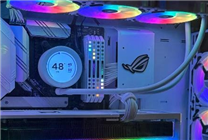
In an intriguing twist of events, a consumer found himself in possession of an ASUS ROG RTX 5080 Astral white limited edition graphics card, valued at about €2,000 (roughly RMB 15,500), despite having canceled his order on Amazon. This unexpected delivery sparked considerable interest among online communities.
The individual, known on Reddit as spaceman329, successfully ordered the high-demand graphics card through alternative sources, prompting him to cancel his Amazon order. The platform confirmed the cancellation and assured him that a refund would be processed swiftly.
Surprisingly, the graphics card was still shipped to him. Upon contacting customer service, he received the unexpected news that since the refund had already been initiated, he could keep the product at no additional cost.
Amazon later issued a statement clarifying that this occurrence resulted from a system error, confirming that the company would cover the cost of the card. The incident raises questions about consumer rights and corporate responsibility in instances of technological glitches.
Understanding the Implications of this Incident
This event exemplifies the complexities of e-commerce transactions. It highlights the potential for miscommunication and errors in processing orders, particularly when dealing with high-value items. The delivery of a product after cancellation not only poses challenges for companies like Amazon but also creates a unique situation for consumers surprised by unexpected gifts.
The Customer’s Perspective
For many, receiving a costly item without payment feels like a stroke of luck. However, moral dilemmas can arise when considering the implications of such occurrences. Should the consumer feel ethically bound to return the item? Or does Amazon’s error absolve him of such responsibilities?
The Corporate Perspective
From a business standpoint, such errors can lead to significant losses. Companies invest heavily in technology and logistics to ensure smooth operations; mistakes, especially involving high-end products, can disrupt these efforts and ultimately impact customer trust. Amazon’s choice to absorb the cost reflects a strategic decision aimed at maintaining a positive public image while minimizing customer dissatisfaction.
Conclusion
This incident presents an interesting exploration into the intersection between technology and consumer experience. It serves as a reminder that while e-commerce platforms strive for efficiency, human and systemic errors can lead to unexpected outcomes. As consumers, it’s essential to stay informed about our rights and responsibilities while navigating the e-commerce landscape.
Such events invite reflection on the nature of transactions in an increasingly digital world. As we move forward, both companies and consumers must adapt to these new realities, recognizing the potential pitfalls while also embracing the conveniences that online shopping offers.