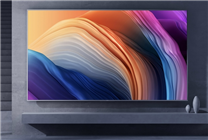

The Decline of 8K TVs: A Disappointing Market Reality
Summary:
- Market Shift: Major companies, including LG, are halting 8K TV production due to insufficient content and demand.
- Content Shortage: A lack of available 8K video and gaming content limits the appeal of 8K televisions to consumers.
- Resolution Debate: Studies indicate that the need for 8K resolution depends on screen size and viewing distance, raising questions about consumer necessity.
In the rapidly evolving landscape of television technology, 8K TVs have collided with the harsh realities of consumer expectations and market demand. Once seen as the pinnacle of home entertainment, 8K resolution televisions are now facing significant challenges that may lead to their downfall.
The Retreat from 8K Production
In a pivotal move, LG recently announced its decision to cease the production of 8K LCD and OLED panels. While not the first to withdraw from the 8K market, LG’s choice is particularly noteworthy due to its position as the sole mass producer of 8K OLED screens. This shift reflects a broader reassessment in the industry regarding the viability of 8K technology amidst changing consumer preferences and a still-developing content ecosystem.
LG’s leadership has stated that while they are momentarily stepping back, their technology remains ready and adaptable for future market maturation. This suggests a glimmer of hope that 8K may yet have a future, contingent on improved conditions within the industry.
The Content Gap
Despite the technical advancements in 8K technology, the actual content available for consumers remains limited. While many manufacturers have made strides in producing 8K-capable devices, the absence of 8K video content severely undermines the practical appeal of such televisions. Current gaming consoles struggle to deliver even 4K content efficiently, making the leap to 8K almost redundant for most users.
The lack of compelling 8K video and gaming options has led many consumers who invested in 8K televisions to feel disappointed. Not only do they find that the technology does not meet their expectations, but the scarcity of content renders it effectively useless.
Understanding Consumer Needs
A critical examination of the necessity for 8K resolution reveals insights that may alter consumer perceptions. Research from institutions such as the University of Cambridge indicates that the human eye can only perceive the distinct advantages of 8K resolution under specific conditions—namely, when watching content on a 50-inch screen from a distance of about 1 meter. As viewers move farther away or watch on larger screens, the benefits of 8K diminish significantly.
This raises an important question: Do consumers truly need such high resolutions? With many households utilizing screens larger than 50 inches and viewing from a distance, the practical benefits of 8K resolution for the average user become increasingly questionable.
Market Shifts and Sales Declines
The 8K market has exhibited tepid growth over the years. According to recent reports by Omdia, there will be over 1 billion 4K TVs worldwide by 2024, while sales of 8K TVs have lagged behind, reaching only 1.6 million units globally since 2015, with a peak observed in 2022.
Such statistics support the notion that manufacturers are reevaluating their investments in 8K technology. Following LG’s lead, other companies like TCL and Sony have also halted 8K TV production, reflecting a shrinking pool of manufacturers committed to this technology. Sony, in particular, has even divested a majority interest in its Bravia TV brand, further emphasizing the industry’s retreat from 8K.
Remaining Players in the 8K Space
Despite the declining interest, not all manufacturers are stepping away from the 8K TV market. Samsung continues to produce 8K models, with pricing starting at around $2,500. There remains a contingent of manufacturers who are hopeful for a resurgence in the 8K market and are prepared to re-enter when conditions improve.
Conclusion
The narrative around 8K TVs is a cautionary tale of technological ambition that clashes with consumer realities. As manufacturers reassess their strategies in light of practical limitations, it is clear that the 8K revolution is stymied by a lack of content and tangible consumer demand. In an era where 4K remains the industry standard, the future of 8K remains uncertain, dependent on a shift in both market conditions and consumer habits.
As technology progresses, developers and content creators must collaborate closely to ensure that cutting-edge advancements are met with the corresponding availability of high-resolution content, thus paving the way for the true potential of 8K television to be realized.