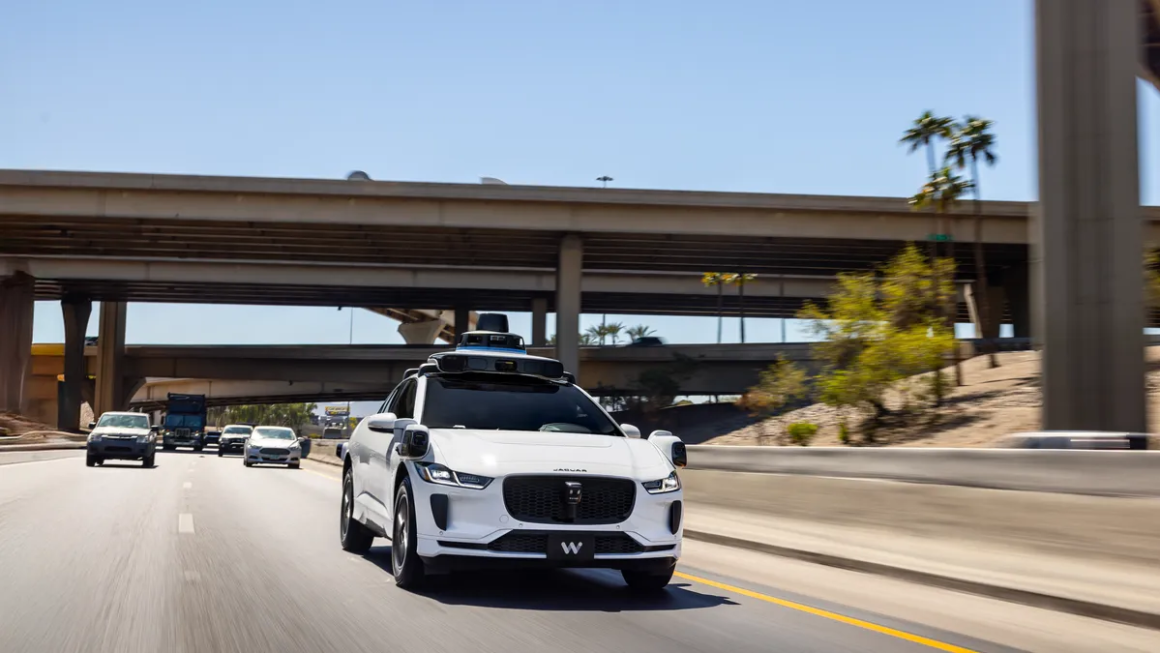

Waymo, the self-driving rideshare service, is currently facing scrutiny over a series of safety incidents, including illegal maneuvers near stopped school buses and a controversial episode where one of its vehicles blocked an ambulance during a critical emergency. These issues have provoked a National Transportation Safety Board investigation and raised questions about the reliability of Waymo’s autonomous driving technology.
This news is particularly relevant for potential users of self-driving ride services, especially in urban areas where such vehicles are being actively deployed. As Waymo expands into four new cities, consumers may wonder about the safety and efficiency of utilizing their service, especially in light of recent controversies. If you’re considering whether to use Waymo for your transportation needs, these incidents could be critical factors in your decision-making process.
Currently, alternatives to Waymo include traditional ridesharing services like Uber and Lyft, which offer greater human oversight and potentially higher reliability in emergency situations. About 80% of consumers prefer human drivers when it comes to safety concerns, highlighting the challenges Waymo faces in winning public trust. Price-wise, traditional ridesharing services often match the competitive rates offered by self-driving options, especially during promotions. However, the experience might vary widely in terms of both convenience and safety across different regions.
For those interested in convenience and novelty, Waymo might still present a compelling option despite recent incidents. However, it’s crucial to weigh these against the reliability of human-driven services, especially if you’re concerned about safety. If you prefer assurance in emergency scenarios or have reservations about the technology’s current limitations, opting for ridesharing services that employ human drivers may be a more suitable choice. In short, while Waymo’s innovation is noteworthy, the current safety concerns may warrant a closer look before deciding to adopt this mode of transport.
Source:
www.cnet.com