
ASUS Responds to Controversy Surrounding RTX 5090 Power Interface Design
Summary
- ASUS addresses concerns about the 16-pin power interface displacement in the RTX 5090 graphics card.
- The design choice for the power connector’s offset is rooted in structural considerations.
- The limited edition graphics card features advanced cooling and high power consumption capabilities.
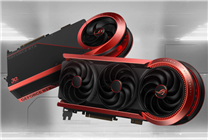
ASUS has recently responded to concerns raised regarding the 16-pin power interface of its RTX 5090 graphics card. This model, which is a part of ASUS’s 30th anniversary celebration, has stirred controversy due to reported design flaws that some users found problematic.
Design Controversy
The crux of the issue arises from a user complaint highlighting a misalignment between the power supply interface and the designated opening of the graphics card’s housing. According to ASUS, the non-centered position of the power connector is intentional, formulated during the product’s original design phase. The company stated that this decision was made based on comprehensive structural and electrical layout evaluations.
Visual evidence shared by users illustrates a clear misalignment: the 12V-2×6 power supply interface is positioned noticeably off-center, which may prevent proper connection of the power cable. Furthermore, the confined space around the reserved opening exacerbates the problem, as the plastic housing of the power cable can hinder normal insertion due to a collision with the radiator frame.
Specifications and Features
Despite the controversy surrounding its design, the RTX 5090 is touted as a premier graphics card, distinguished not just by its limited edition status but also by its high-level hardware configuration.
-
Cooling Mechanism: The card employs a sophisticated four-fan system combined with water cooling, featuring three fans at the front and one at the back. This innovative layout improves airflow and increases wind pressure by up to 20%, thereby enhancing the cooling efficiency of the card.
- Power Capabilities: When paired with the GC-HPWR power supply and ASUS BTF motherboard, the RTX 5090 can support a maximum power consumption limit of 800W. This allows it to cater to the demands of high-performance gaming and graphics-intensive applications, solidifying its position as a top-tier choice for serious gamers and professionals alike.
Community Response and Future Implications
The feedback from the user community suggests a growing demand for transparency and quality assurance in gaming hardware design. While ASUS has defended its design decisions, the incident highlights the importance of user experience in the product development process. It remains crucial for manufacturers to consider consumer feedback during product iterations to prevent similar issues from arising in the future.
In conclusion, while ASUS stands by the design choices made for the RTX 5090, ongoing discussions will likely shape future product designs and user expectations. As the gaming industry continues to evolve, balancing innovative technology with user-friendly design will be imperative to maintain customer satisfaction and brand reputation.
For those looking to push their gaming rigs to the limit, the RTX 5090 remains a commendable option, provided users are aware of its peculiarities.