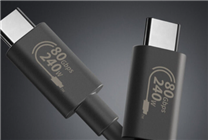

USB-C technology has evolved rapidly in recent years, becoming the go-to connector for a wide range of electronic devices including smartphones, laptops, and various peripherals. Recent advancements have focused on increasing power delivery, with the latest specifications capable of delivering up to 240W and data transfer speeds of 80Gbps. While this promises incredible convenience, it also raises important questions about compatibility and complexity in the existing landscape of USB standards.
This matters particularly for consumers looking to simplify their tech ecosystem. The transition to USB-C offers a unified solution for charging and data transfer, reducing the clutter of multiple cables and connectors. However, as more devices adopt USB-C, buyers need to be aware of the potential complications that can arise, especially when dealing with high-power devices. Many users may not yet realize that not all USB-C cables and chargers are created equal, particularly those that offer power delivery above 100W, which are still relatively rare in mainstream use.
In the current market, there are numerous options for USB-C products at various price points. For everyday users, a cable or charger supporting standard power delivery (under 60W) can be found for around $15, making it economical for consumers who solely need basic connectivity. However, for those looking to utilize the full capabilities of USB-C, such as fast charging for gaming laptops or high-speed data transfers, the price can escalate significantly. High-end cables and chargers with advanced features can run upwards of $50 or more. It’s important to consider your actual usage: many standard users may not need all the bells and whistles, while tech enthusiasts might require the full range of capabilities.
Ultimately, anyone considering a USB-C purchase should weigh their specific needs. For casual users who require basic functionality and are not concerned with blazing fast data transfer or high power delivery, a standard USB-C accessory will suffice. However, those investing in premium devices, particularly for intensive tasks, should ensure they choose products that meet higher specifications. On the other hand, if you find that high-capacity chargers and cables are not necessary for your needs, opting for a more basic, budget-friendly option might save you money without sacrificing performance.
Source:
news.mydrivers.com