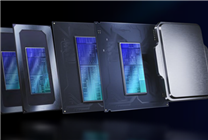

Recent developments indicate that while U.S. companies excel in AI chip technology, they face significant challenges in energy supply, particularly affecting the operation of AI data centers. With major power utilities announcing a $75 billion investment to enhance the energy network, aimed at constructing high-capacity transmission lines, these efforts may not be sufficient to meet the surging demand for electricity driven by AI.
This situation is crucial for tech buyers and companies looking to invest in AI technologies. The escalating energy costs and potential limitations in power availability may impact the viability of AI systems, especially for those businesses planning to scale up their AI capabilities. Global firms should be vigilant, as these issues could influence their operational budgets and forecasts when considering technology investments.
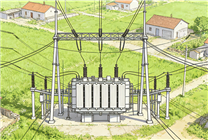
In this context, it’s essential to understand that the U.S. faces a considerable gap in transformer supply, with around 30% of the market unmet, leading to heavy dependence on imports. Meanwhile, alternative markets in regions like China boast a robust power infrastructure and a vast array of patents, which signifies a competitive advantage. This means companies looking for solutions may have to weigh their options carefully, including not just local providers but international suppliers with more integrated supply chains.
Ultimately, organizations interested in AI and related technologies should consider the long-term costs associated with energy, as well as supply chain reliability. While investing in AI might seem attractive, the current instability in energy procurement could hamper growth. Companies whose operations heavily rely on uninterrupted power might find it worthwhile to explore options outside of heavily reliant markets. Alternatives focusing on energy-efficient solutions or emerging markets could present more favorable conditions for sustained development.
Source:
news.mydrivers.com