
Scams in High-End Graphic Card Purchases: A Cautionary Tale
Summary
- Recent reports highlight scams in the high-end graphics card market, particularly involving counterfeit products.
- A consumer received a disguised RTX 5060 Ti as an RTX 5080, exposing significant issues in e-commerce return procedures.
- Buyers are advised to record unboxing videos to protect against potential fraud.
In the competitive landscape of high-end graphics cards, fraudulent activities have become alarmingly common. A recent incident underscores the risks consumers face when purchasing such valuable hardware online. A gamer shared a distressing experience after ordering an Asus Prime GeForce RTX 5080 OC 16GB from a major e-commerce platform, only to discover a significant discrepancy upon receiving the item.
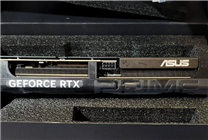
Upon unboxing the graphics card, the buyer noticed it was equipped with a single 8-pin power supply interface, which raised immediate red flags. Authentic Asus Prime RTX 5080 graphics cards are designed with high-performance requirements, necessitating a 16-pin (12V – 2×6) power supply interface. Typically, consumers expect to find an adapter cable included in the packaging to accommodate this power specification.
Further investigation revealed that while the cooler’s design mimicked the Prime series, the internal PCB and power specifications were inconsistent with genuine RTX 5080 units. In a shocking twist, the product was identified as an RTX 5060 Ti, cleverly disguised with a fake RTX 5080 logo after the original label was removed and replaced.
The Mechanism Behind the Scam
The crux of this deception is rooted in the holes present in the return and verification processes of online marketplaces. The scammer had initially purchased a legitimate RTX 5080, then replaced its contents with a cheaper RTX 5060 Ti. After returning the counterfeit unit, the e-commerce platform failed to verify the hardware specifications before restocking the item as a new product. Consequently, the con artist profited from their scheme while the unsuspecting buyer suffered the consequences.
The victim noted that the graphics card’s label displayed clear signs of tampering, with visible lifting and re-pasting. This was definitive evidence of the fraudulent activity, yet such discrepancies often lead to disputes that are difficult to resolve due to lack of traceable evidence.
Protecting Yourself from Graphics Card Scams
To mitigate the risk of falling victim to similar scams, consumers are strongly encouraged to take certain precautions when purchasing high-value hardware:
-
Record Unboxing Videos: Always document the unboxing process, ensuring you have video evidence of the product’s condition and specifications at the time of receipt. This can be invaluable if disputes arise.
-
Check Hardware Specifications: Familiarize yourself with the expected specifications of the product before purchase. Understanding the required power interfaces and performance standards can help identify counterfeits.
-
Research Sellers: Purchase from reputable vendors with established return policies and good customer feedback. Reading reviews and verifying seller credentials can provide additional protection.
- Report Suspicious Products: If you receive a product that appears tampered with or counterfeit, report it immediately to the platform and relevant consumer protection agencies. Swift action may prevent others from encountering the same issue.
Conclusion
As the high-end graphics card market expands, especially with the increased demand for gaming and computational tasks, the prevalence of scams will likely follow suit. By staying informed and vigilant, consumers can protect themselves from falling victim to fraudulent schemes. Always prioritize due diligence when investing in high-value technology.