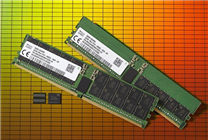

Understanding the Rising Demand for DDR4 Memory Despite DDR5 Availability
- DDR4 memory prices are rising due to continued demand in data centers.
- The switch to DDR5 technology is slow, as many devices still rely on DDR4.
- The price increase for DDR4 and DDR3 is expected to persist until 2026.
As DDR5 memory continues to gain popularity in the tech market, questions arise about the persistent increase in DDR4 memory prices. This article explores the dynamics behind the rising demand for DDR4, its current market position, and what this means for technology suppliers and users.
Recent trends indicate that the demand for networking equipment within data centers has remained robust, leading to an extended lifecycle for older memory technologies like DDR4. Industry insights suggest that the market may be underestimating the role of DDR4 in data center infrastructure, particularly in switches, thereby driving up its average selling price (ASP).
Amidst this growing trend, major industry analysts have revised their target prices for leading memory suppliers upward, reflecting confidence in ongoing demand for mainstream memory solutions, including DDR4. Despite the advent of DDR5 as the latest memory standard, a significant number of networking devices, such as those from NVIDIA and others, still operate on DDR4.
The slower adoption of DDR5 in switch technology can primarily be attributed to the fact that the RAM component represents a small fraction of the total material costs—typically low-single-digit percentages—compared to the approximately 30% share observed in general-purpose servers. This low dependency means manufacturers have little incentive to transition to DDR5 while adequate DDR4 supply remains.
Moreover, the absence of DDR4 could severely impact the shipping capabilities of critical hardware like GPUs and ASIC servers. A notable shift in supplier strategies is occurring, with an increasing number of major memory providers stepping back from the DDR4 market. Consequently, Taiwanese manufacturers, including Winbond and Nanya Technologies, are positioned as the primary beneficiaries of this trend.
Considering these factors, the price surge for DDR4 and even DDR3 memory is likely to be sustained through 2026. This scenario marks an interesting turn in the memory technology landscape, as traditional DDR4 continues to hold relevance in the face of evolving standards.
As user demands and technological specifications continue to evolve, it will be crucial for both consumers and manufacturers to stay informed about the implications of these trends on pricing, availability, and compatibility. Understanding the market dynamics underlying DDR4’s continued relevance can inform purchasing decisions and future technology investments.
Conclusion
The landscape of memory technologies is in a state of flux. While DDR5 represents the future, DDR4 has managed to maintain its foothold in critical applications, particularly within data centers. As we move forward, industry stakeholders will need to adapt to these shifting dynamics, ensuring that they remain competitive and well-equipped to meet the demands of a rapidly evolving technological environment.