
Smart TVs are essentially computers, enabling a range of functionalities beyond just watching content. With various app integrations and casting options, users can connect devices like smartphones and tablets to enhance their viewing experience or even use the TV as a slideshow or workstation.
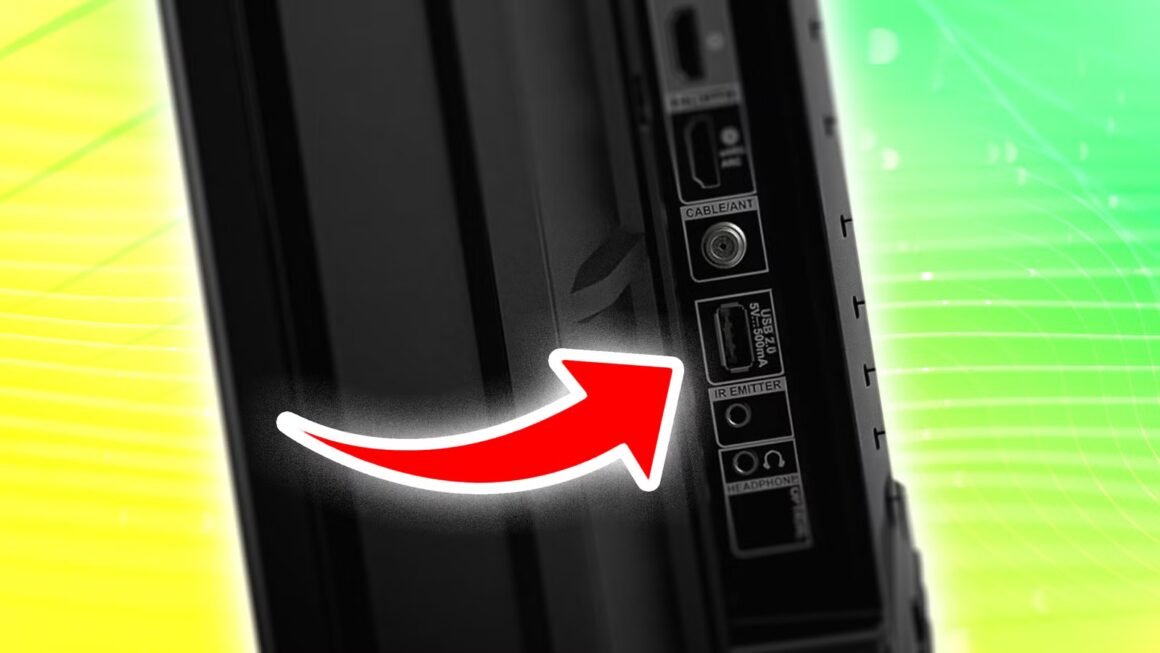
This capability is particularly relevant for those looking to maximize their entertainment setups or workspaces. As smart TVs increasingly feature USB ports, users can connect external drives, stream from devices, or connect peripherals to create a more versatile environment. This isn’t just a niche feature; it can significantly broaden the usability of a TV for individuals who want to play media or work remotely from the comfort of their living room.
Regarding market context, many modern smart TVs come equipped with multiple USB ports. Prices range from around $300 for mid-tier models to over $1,500 for high-end options, depending on the brand and features. Notable alternatives include companies like Samsung and LG, which offer robust smart TV ecosystems, while more budget-friendly brands like TCL and Hisense can provide solid options without breaking the bank. Each brand typically brings its strengths, from superior HDR capabilities in more expensive models to more basic functionality in budget-friendly options.
Ultimately, this technology is best suited for users who are comfortable integrating their Smart TV into a broader ecosystem and those who might benefit from its versatility. However, if someone prefers a more straightforward viewing experience without the added features or capabilities, sticking with a traditional TV or a simpler setup might be a better option. Additionally, users who specifically need advanced gaming features or high refresh rates may want to explore dedicated gaming monitors rather than rely solely on a smart TV for that purpose.
Source:
www.pocket-lint.com