



Unleashing Power: A Stunning 750W Achievement on the ASUS ROG MATRIX RTX 5090
Key Takeaways:
- Roman "der8auer" Hartung demonstrates an impressive feat by delivering 750W to the ASUS ROG MATRIX RTX 5090 using a single 12V-2×6 power cable.
- The card originally supports an 800W BIOS but needs dual connections to achieve this, which der8auer cleverly bypassed through a modified BTF adapter.
- The experiment highlights a powerful technical capability while also raising safety concerns about exceeding voltage limits.
In a groundbreaking technical demonstration, overclocking expert Roman “der8auer” Hartung has successfully pushed an astonishing 750 watts of power to the ASUS ROG MATRIX RTX 5090 graphics card using a single 12V-2×6 power cable. This achievement not only showcases advanced engineering prowess but also opens discussions on power supply limits and safety in high-performance computing.
Full Power Unlocking
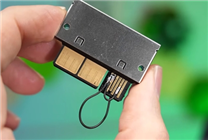
The ASUS ROG MATRIX RTX 5090 comes equipped with an 800W BIOS, though it typically requires connections to both a 12V-2×6 power cable and the ASUS BTF interface for optimal performance. If only the 12V-2×6 cable is used, the card’s power consumption is restricted to 600W. In a unique twist, der8auer bypassed the need for dual connections by focusing on the modification of the included BTF adapter instead of altering the card or its BIOS.
By manipulating the presence pin and two sense pins on the BTF edge interface, der8auer ingeniously tricked the graphics card into believing it was connected to a full BTF power supply. This allowed the card to access its full 800W power profile, leading to remarkable results.
Observations and Measurements
After the modifications, monitoring tools revealed onboard power consumption near 700W, with peak draws hitting an impressive 750W—all facilitated through that single 12V-2×6 line. During this test, each power pin reportedly drew over 10A, causing the status light by the interface to glow red and making the cable palpably hot to the touch.
This experiment further emphasizes the potential capabilities of modern graphics cards under extreme conditions, but it should be noted that the reported power levels significantly exceed standard safety regulations. Der8auer himself highlighted that this experiment was not intended for competitive benchmarking, as conducting tests like 3DMark under such perilous conditions could easily lead to hardware failures.
The Future of Graphics Card Power Supply
The implications of this demonstration are profound for enthusiasts and professionals alike. With the continual push for higher performance in gaming and computational tasks, understanding and maximizing power delivery becomes crucial. Der8auer’s experiment serves as both inspiration and caution, revealing that while pushing limits can yield incredible results, it potentially places hardware and users at risk.
As manufacturers continue to innovate in graphics card technology, it’s essential for both developers and consumers to be aware of power limitations and adhere strictly to safety protocols. The evolution of power supply designs and regulatory adjustments will likely follow this showcase of potential, possibly paving the way for new standards in high-performance computing.
Conclusion
Roman "der8auer" Hartung’s achievement with the ASUS ROG MATRIX RTX 5090 is a testament to engineering innovation, demonstrating what can be accomplished when creative solutions are applied to technical challenges. Nevertheless, it serves as a reminder that venturing beyond prescribed limits comes with inherent risks. The balance between performance and safety will remain a pivotal discussion in the tech community as we continue to explore the frontiers of high-performance computing.
This exploration of extreme power delivery not only captivates tech enthusiasts but also raises essential questions about the future of GPU design and usage safety. As we move forward, maintaining awareness of these variables will be crucial for anyone involved in the performance computing landscape.