
Understanding the Surge in Memory Prices: A Comprehensive Analysis
Summary:
- AI’s Demand: The rapid rise of AI technologies is significantly affecting memory prices due to increased requirements for high-capacity and high-speed memory.
- Supply Constraints: Major memory manufacturers are pivoting their focus towards AI applications, leading to a decrease in consumer-grade memory production.
- Market Dynamics: Memory production capacities are constrained and manufacturers are cautious about expanding, fearing a repeat of cyclical market downturns.
The contemporary market for memory chips is experiencing a pronounced increase in prices, and much of this can be attributed to the surging demand for artificial intelligence (AI) technologies. Large AI models, such as those used in natural language processing and image generation, require extensive amounts of data to be processed rapidly. This processing necessitates advanced memory systems capable of handling high volumes of data efficiently.
Moreover, AI applications depend on rapid data transfers between CPUs, GPUs, and memory components. If the memory lacks sufficient speed or capacity, it hampers overall AI performance. Consequently, companies such as Nvidia are launching AI chips that are frequently bundled with high-bandwidth memory (HBM), a technology characterized by its complexity and limited production capabilities. Consequently, when AI demand escalates, manufacturers encounter supply shortages.
Consumer Memory Price Increases
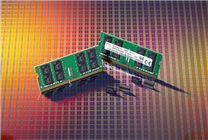
A common question among consumers is why prices for standard memory sticks have also risen when they are not as fast as the specialized memory used in AI applications. The explanation is straightforward: many memory manufacturers have shifted their focus to fulfilling the demands of AI applications, resulting in diminished production of consumer-grade memory. For instance, Micron Technology, a leading memory chip manufacturer, recently announced its plan to terminate its popular consumer-grade memory lines. This reduction in supply inevitably leads to increased prices in the retail market.
Production Capacity Constraints
Despite the clear demand for more memory, production facilities are currently operating at full capacity. The majority of the anticipated new production lines are dedicated primarily to AI demands, offering little relief to the consumer market. As a result, the memory shortage is expected to persist for an extended period.
Manufacturers are also exercising caution regarding the expansion of their production capabilities, drawing from lessons learned during previous market fluctuations. Historically, the memory market has experienced cycles of high demand and escalating prices, followed by oversupply and plummeting prices, often resulting in production cuts to stabilize the market. Memory giants are reluctant to repeat this pattern.
Reports indicate that Samsung, one of the largest players in the DRAM market, anticipates a modest 5% increase in production capacity by 2026, which is projected to reach around 8 million wafers. However, this increment is unlikely to have a significant impact on pricing trends in the near future.
Conclusion
The rising prices of memory components are a multifaceted issue rooted in the increasing demand for AI technologies coupled with shifts in production strategies among major manufacturers. As companies pivot away from consumer-grade memory to prioritize high-performance solutions for AI, consumers may continue to face elevated prices and diminished availability in the short to medium term.
In this evolving landscape, it is essential for consumers, businesses, and investors to stay informed about the dynamics affecting memory prices and to strategize accordingly. Whether you are a tech enthusiast looking to upgrade your system or a company dependent on memory solutions, understanding these trends will be critical in making informed decisions in the current market.