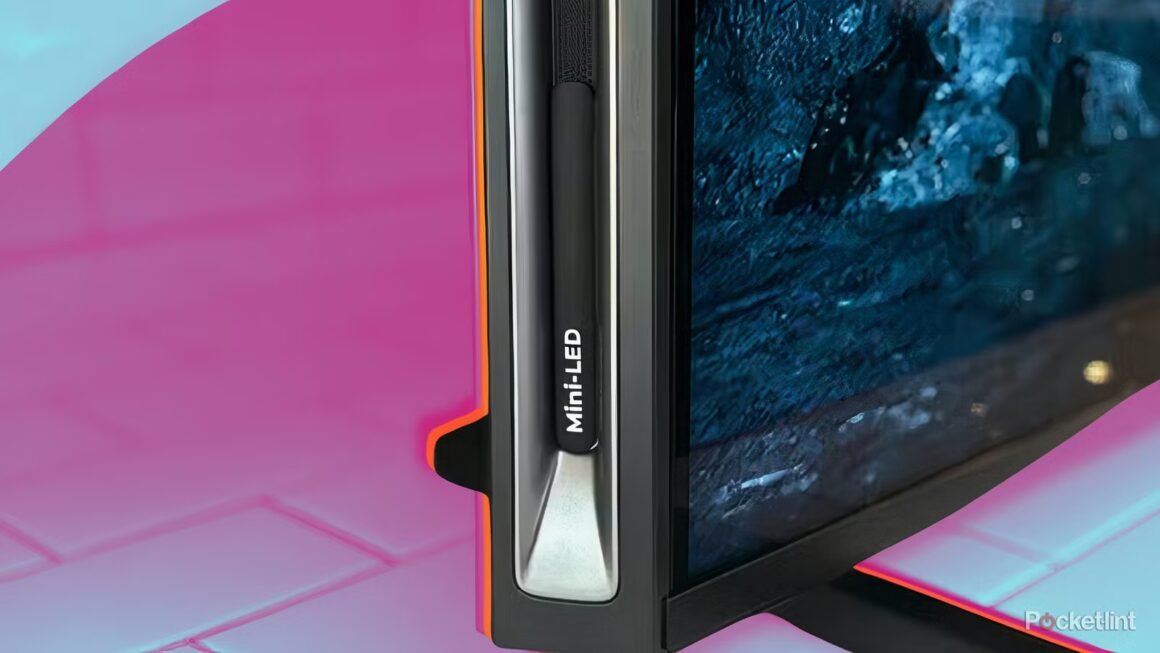

The longevity of televisions varies significantly among different technologies. While standard CRTs were known to last decades, today’s options present a mix of durability concerns and advancements. Budget LCD/LED models are particularly prone to failure, whereas OLEDs have made strides in longevity but come with their own risks, particularly related to burn-in. In contrast, technologies like mini-LED and full-array QLED have emerged as strong contenders for longevity, with manufacturers claiming lifespans of 70,000 to 100,000 hours.
This information matters to potential buyers looking for televisions that can withstand years of use and offer good value for money. For families or individuals planning to make a long-term investment in a TV, understanding the longevity of each type can influence purchasing decisions significantly. Those who frequently watch TV or game for extended periods should consider how the technology aligns with their usage patterns to avoid premature failure.
In terms of market context, budget LCD models generally range from $300 to $600, whereas OLEDs typically start around $1,200, often exceeding $2,000 for high-end options. Mini-LED and QLED models can be found between $800 and $1,500, with full-array local dimming enhancing performance. Each of these options has its strengths and weaknesses, meaning a buyer’s choice should align with their viewing habits and budget. For instance, OLED delivers superior contrast and color but may not be suitable for extensive, static image viewing, while QLED offers brightness and durability.
Buyers should weigh their options carefully. Those who prioritize visual quality above all may lean toward OLED, accepting the risk of burn-in. On the other hand, if a buyer watches TV infrequently or mainly for short periods, budget LCD could suffice, though risks of failure exist. For someone looking for a dependable, long-term investment without the concerns of burn-in, a mini-LED or full-array QLED would be a more suitable alternative, although the initial cost may be higher.
Source:
www.pocket-lint.com