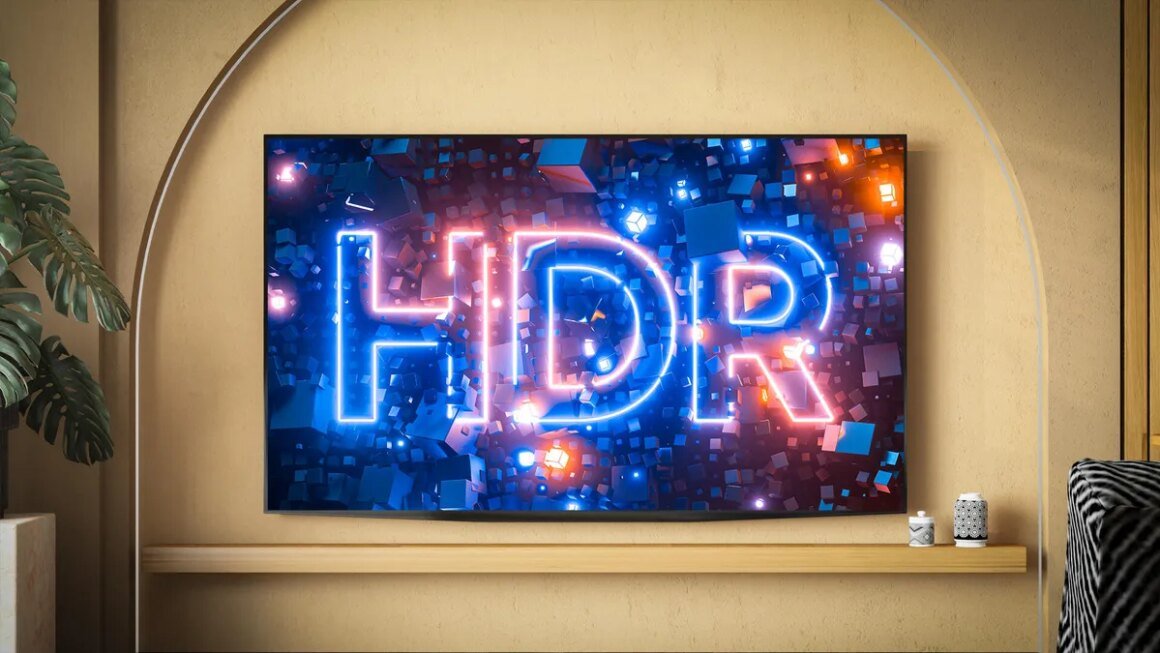

High Dynamic Range (HDR) technology is now widely integrated into new TVs and projectors, enhancing the viewing experience with improved contrast and color depth. Various HDR formats are available, including HDR10, Dolby Vision, and HDR10 Plus, each exhibiting different performance levels and compatibility with content sources. While most modern displays support at least one HDR format, the specific capabilities of each can significantly impact image quality.
This advancement in video technology is particularly relevant for consumers eyeing a new display for movies, gaming, or streaming. If you’re considering a purchase, understanding HDR formats is crucial as it can directly affect how well certain content is rendered. Analysts have noted a growing availability of HDR content across major streaming platforms, making it a worthwhile feature for many users looking to get the most out of their viewing experience.
In terms of market positioning, HDR10 stands as the baseline with broad compatibility, while options like Dolby Vision and HDR10 Plus offer enhanced visual quality through features like dynamic metadata. Prices for HDR displays vary widely; budget models start around $500, while high-end options can reach upwards of $2,500. For instance, TVs from brands like TCL and Hisense often provide solid HDR10 support at lower price points, while premium offerings from LG and Sony feature Dolby Vision for superior visual fidelity.
Consumers looking for a new display should evaluate their specific needs before diving into an HDR purchase. If you’re primarily watching standard content or are on a tight budget, investing in a display without advanced HDR features like Dolby Vision might make sense. Conversely, if you’re an avid streamer or gamer and want the best possible visual experience, opting for a TV that supports dynamic HDR formats will likely enhance your enjoyment. However, a potential downside to consider is the compatibility of HDR content; not all streaming services provide content in every HDR format, which could limit the effectiveness of a new display.
Source:
www.cnet.com