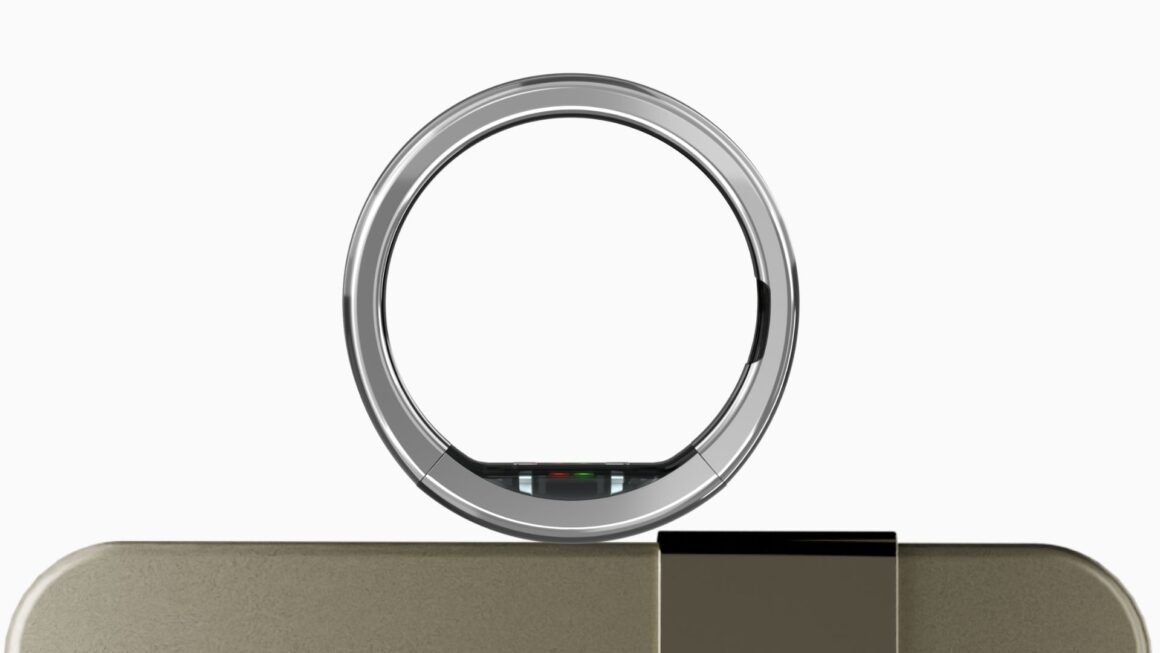

The Ultrahuman Ring Pro, a third-generation smart ring, is now available for pre-order globally, excluding the United States, priced at $479. This latest model offers an impressive 15 days of battery life paired with a new Pro Charging Case boasting up to 45 days of reserve battery and the ability to store a year’s worth of ring data.
This advancement is particularly significant for those who are already invested in health and fitness technology. The longer battery life, which triples the duration of its predecessor, the Ring Air, and the new AI health platform, Jade, indicate an effort to cater to users looking for continuous monitoring without frequent recharging. For health-conscious individuals or those tracking metrics like sleep quality or fitness recovery, this ring presents a compelling option, especially for consumers who prioritize extended usability in wearables.
In the competitive landscape of smart rings, the Ultrahuman Ring Pro is priced on the higher end. Alternatives like the Oura Ring (starting around $299) also offer sleep tracking and general health metrics but with shorter battery life. The Whoop Strap, priced at $30/month or $360/year, focuses heavily on recovery and performance without a traditional smartwatch interface. Each alternative serves slightly different user needs: the Oura is great for wellness tracking while the Whoop emphasizes athletic performance. Buyers should assess whether they need the extended features and longer battery life of the Ultrahuman or if a simpler, less expensive option will suffice.
The Ultrahuman Ring Pro could be ideal for those seeking comprehensive health insights from a stylish and functional device, particularly if longevity in battery life is a high priority. However, those who may prefer a more budget-friendly option with fewer tracking capabilities might find happier choices in alternatives like the Oura Ring or even activity trackers that don’t require the same level of commitment. Ultimately, it comes down to individual needs and willingness to invest in advanced features. If budget constraints are a factor, opting for a proven yet simpler solution might be more practical.
Source:
www.trustedreviews.com