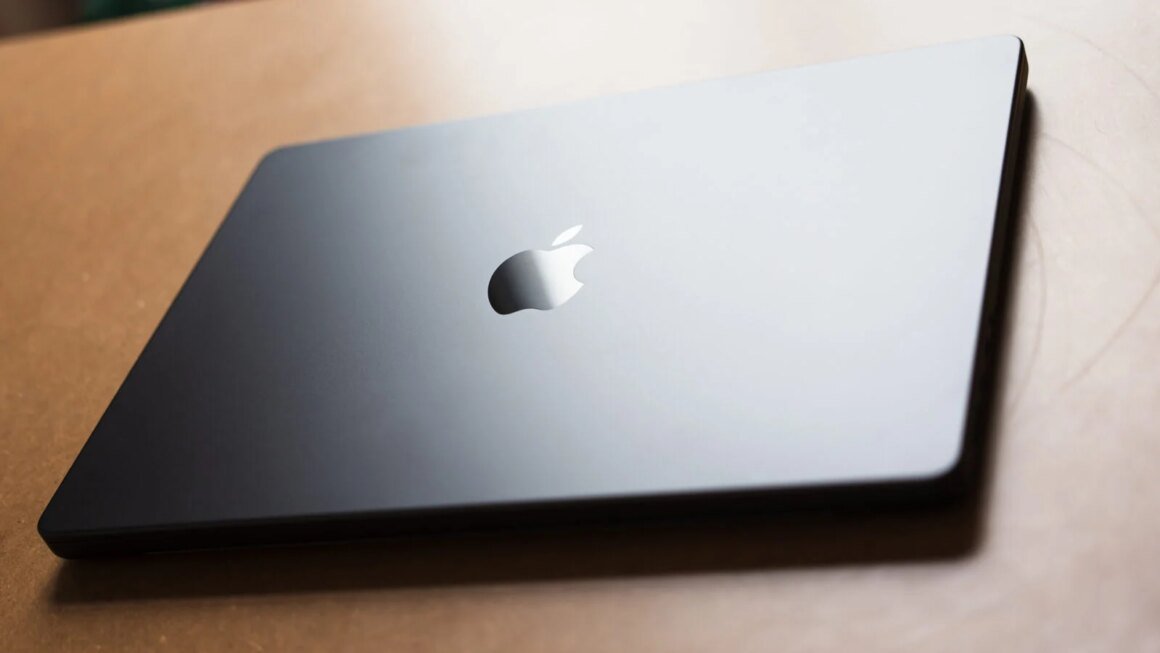

Apple is reportedly preparing to launch new MacBook Pro models equipped with OLED touchscreens and potentially a Dynamic Island feature by the end of the year. These developments may come alongside the upcoming M5 Pro and M5 Max chips expected to be announced shortly. This marks a noticeable shift for Apple, as the brand has traditionally refrained from adopting touchscreen technology in its laptops.
For consumers evaluating their next laptop purchase, the incorporation of a touchscreen could significantly alter the user experience, especially for those who appreciate versatile interaction methods. While Apple has been slow to adopt this feature, its entry into the touchscreen laptop market means buyers who have been waiting for such functionality might soon find what they’re looking for. This could be particularly relevant for professionals who often navigate through intricate software, where a touch display could enhance productivity.
In terms of market positioning, Apple’s new MacBook Pro models are likely to sit at a premium price point compared to existing alternatives. For instance, the Dell XPS 15 and HP Spectre x360 already offer OLED touchscreen options and are popular among creatives and professionals for their solid performance and build quality. The upcoming MacBook Pro could compete directly with these models, especially if it integrates the promised features effectively. Buyers should prepare for prices possibly exceeding $2,000, reflecting Apple’s usual positioning within the premium segment of the market.
This forthcoming MacBook Pro may appeal to those who are heavily invested in the Apple ecosystem and desire a machine that blends traditional macOS with new touchscreen capabilities. However, it might not be the best fit for every user. Those who prioritize a straightforward, keyboard-and-mouse setup or those who frequently engage in extensive typing tasks might prefer existing models without touchscreens, as the added complexity of a touchscreen interface might not enhance their experience. This could lead users to consider established alternatives like Dell or HP, which may offer better value for users who do not require touchscreen functionality.
Source:
www.01net.com