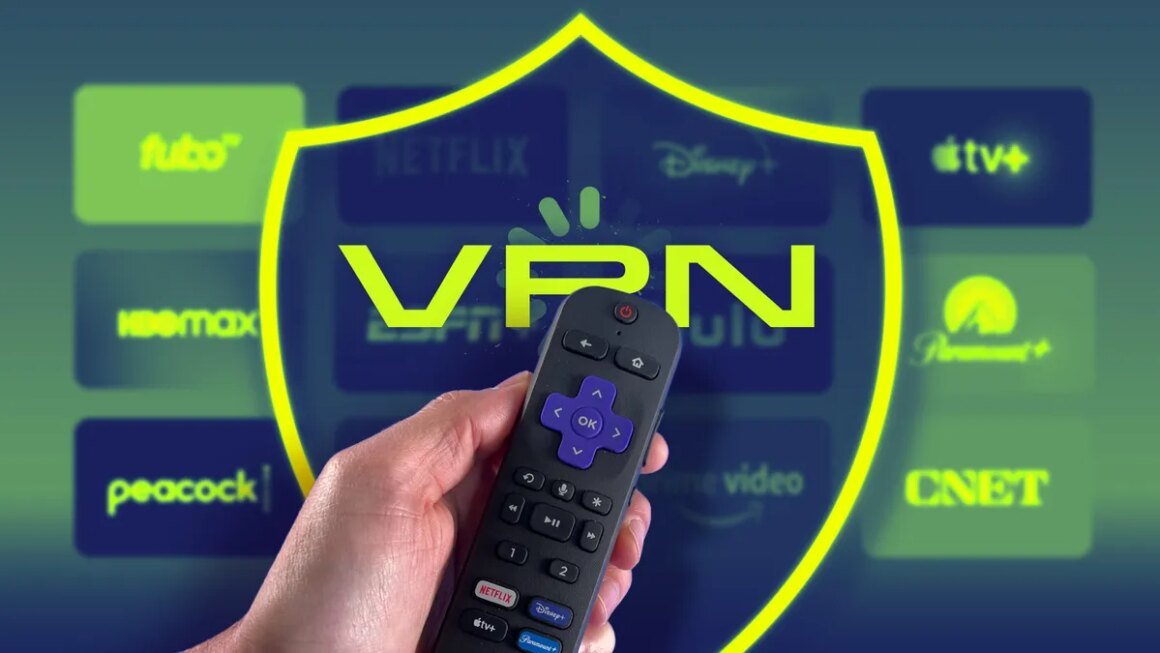

A Virtual Private Network (VPN) is essential for accessing a broader range of streaming content from platforms like Netflix, Hulu, and Disney Plus. VPNs allow users to bypass regional restrictions, enabling access to libraries that would otherwise be unavailable based on geographical location.
This is particularly significant for consumers who travel frequently or reside in areas with limited streaming options. By masking your IP address, a VPN lets you access your home library while abroad or explore international content without being tied to a single region’s offerings. Given the increasing popularity of online streaming, the ability to unlock diverse content is a strong point of consideration for any streaming enthusiast.
When looking at various VPN options, ExpressVPN, NordVPN, Surfshark, and Proton VPN are noteworthy players. ExpressVPN is lauded for its user-friendly interface and compatibility with many devices but is priced at around $13 per month. In contrast, NordVPN offers fantastic speed with a similar price point but can become expensive upon renewal. For budget-conscious users, Surfshark stands out, providing unlimited simultaneous connections at a lower introductory rate of approximately $2.49 per month, though its prices rise significantly upon renewal. Proton VPN offers a reasonable free tier but lacks some features of its paid counterparts.
Ultimately, the choice of a VPN should depend on individual needs. Users heavily reliant on streaming and who want a straightforward, reliable experience without any hassles may find ExpressVPN or NordVPN to be appealing choices. However, those on a tight budget or who prioritize extensive device support may consider Surfshark for its value. A key reason to think twice before purchasing any VPN is the potential performance issues, particularly if speed is a primary concern, which can significantly affect the streaming experience if the internet connection is already slow.
Source:
www.cnet.com