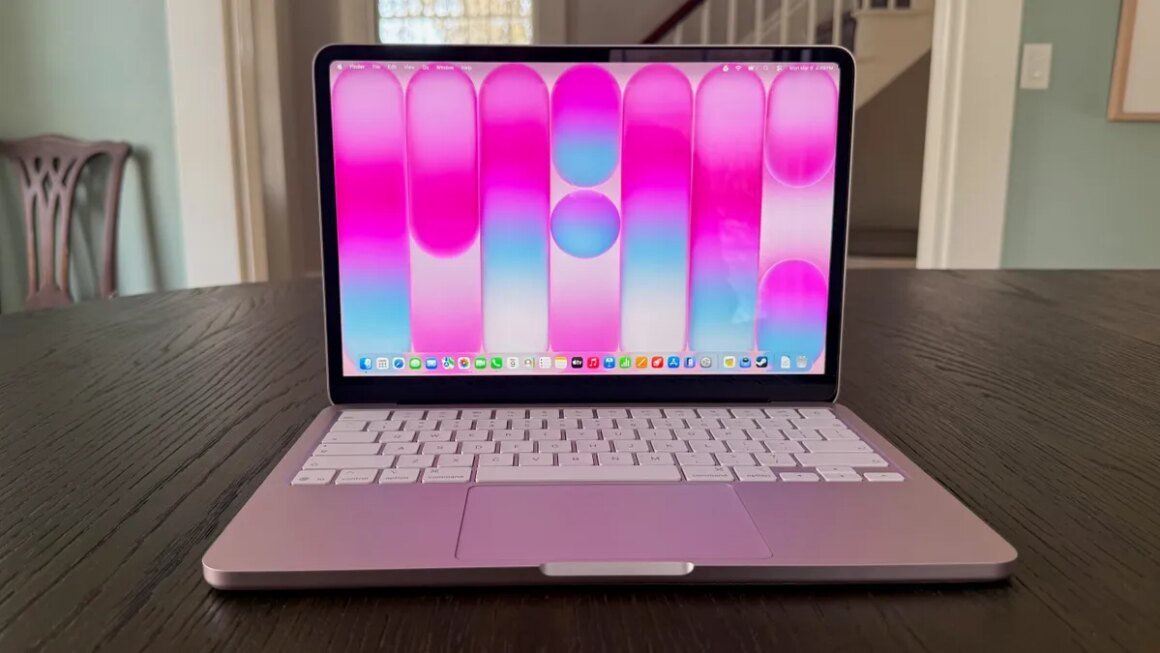

Apple’s latest lineup of MacBooks features three distinct models designed to cater to various user needs. The MacBook Neo starts at $599, offering a budget-friendly option for basic tasks, while the MacBook Air begins at $1,099 for the 13-inch version and $1,299 for the 15-inch. For power users, the MacBook Pro series offers enhanced performance starting at $1,699 for the 14-inch model.
This release is significant for anyone in the market for a new laptop, particularly among users who want reliable performance without stepping into the premium pricing of the Pro models. The MacBook Neo is appealing for students or professionals who primarily use standard office applications, while creatives requiring higher processing power may gravitate towards the robust MacBook Pro, especially with Apple’s latest M5 Pro and M5 Max chips. These devices are available globally, providing options for various budgets and needs.
In terms of market positioning, the MacBook Neo’s price is competitive, but users seeking more versatility or performance might consider the MacBook Air or the MacBook Pro. Alternatives to the MacBook lineup include Dell’s XPS 13 and Microsoft’s Surface Laptop 5, which also cater to everyday users looking for something light and portable, often at similar price points. The 13-inch XPS 13 starts around $999, providing strong performance for office tasks but lacking the integrated power of Apple’s M-series chips. Meanwhile, the Surface Laptop 5 provides flexibility with its touch screen at a starting price of $999 for the base model. Each of these options serves different needs, from casual use to serious creative work.
Overall, the MacBook Neo is an excellent choice for users who prioritize budget and simplicity. The MacBook Air remains a solid option for users who want more screen real estate and slightly better performance without breaking the bank. However, individuals who frequently engage in graphic design, video editing, or similar high-performance tasks might find the MacBook Pro models more worthy of their investment due to the enhanced capabilities. Conversely, buyers who do not require the advanced features and power of these laptops may prefer seek alternatives that balance cost with essential functionality.
Source:
www.cnet.com