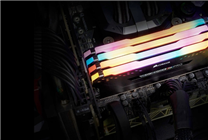

DRAM Supply Dynamics Shift: A New Era for Storage Contracts
- DRAM supply constraints are reshaping long-term agreements between manufacturers and clients.
- Contracts are transitioning from fixed price structures to flexible pricing, impacting profit margins.
- The DRAM market is expected to remain tight, with significant changes projected until 2027.
The landscape of DRAM supply and demand continues to evolve amid ongoing constraints, leading to a noteworthy shift in long-term agreements between storage manufacturers and major clients. This transition is not merely a matter of contracts; it reflects broader industry trends that could reshape the market for years to come.
Historically, long-term supply contracts (LTA) with major manufacturers like Winbond and Nanya were characterized by "locking price and quantity." However, this model is being replaced by a new structure where contracts focus on "locking quantity without locking price." This strategic shift serves to ensure priority production and stable shipments, but it also introduces price volatility depending on market fluctuations, thus allowing for greater quotation flexibility.
In response to changing market conditions, the duration of these contracts has notably increased. Many agreements now extend beyond one year, with some large customers negotiating frameworks that extend close to 2030. This move aims to secure a steady supply amid uncertain market conditions, ensuring basic capacity utilization for manufacturers even though it translates to lower profits.
Industry experts have raised concerns regarding the implications of this pricing strategy. While it offers substantial benefits in capacity utilization and consistency, omitting fixed prices could hinder the ability to capitalize on rapid price increases. In a volatile market, this model presents a cautious yet sound strategy that focuses on capital protection and stable supply chains.
As leading companies such as Samsung and SK Hynix focus on advanced technologies like High Bandwidth Memory (HBM), the availability of traditional DRAM is increasingly constrained. Industry forecasts suggest a remarkable annual increase of 57% in the HBM market by 2026, with shipment volumes projected to rise by 68%. This growth will significantly impact the supply of general DRAM, as HBM wafer production is expected to account for 23% of the overall DRAM supply.
Current market conditions suggest that the tight supply and demand for DRAM will likely persist until the end of 2026. The anticipated supply gap for server DRAM is estimated to be around 15%. However, as new supplies from leading manufacturers begin to enter the market in 2027, the industry may transition from a phase of severe constraints to a more balanced structural state.
In summary, the present dynamics of the DRAM market reflect a considerable shift in how manufacturers and clients construct their long-term agreements. The evolution from fixed-price contracts to flexible pricing structures represents a response to the challenging supply environment. This approach not only prioritizes stable production and shipping but also allows for greater adaptability in pricing, which is essential in a fluctuating market.
As we look toward the future, the industry will need to navigate these changes carefully. Manufacturers must balance the demands of production capacity with the need for profitability, all while preparing for an increasingly competitive landscape driven by advancements in technology. The forthcoming years will reveal the long-term impacts of these strategies, particularly as new supply avenues open up and the market begins to reclaim its equilibrium.
In summary, the DRAM market is at a pivotal moment, with changes in supply agreements set to influence both manufacturers and customers alike, driving a new chapter in the realm of storage solutions.