
Unveiling the MSI RTX 5090 Lightning Z: Power Consumption Soars to 2500W
Key Takeaways:
- The MSI RTX 5090 Lightning Z graphics card has revealed a BIOS leak allowing extreme power consumption of up to 2500W.
- Designed for professional overclockers, this level of power is primarily intended for use in liquid nitrogen cooling setups.
- Users should be cautious as most RTX 5090 models are not equipped to handle such high power demands, posing potential risks.
In a stunning development within the gaming hardware community, the MSI RTX 5090 Lightning Z graphics card has made headlines with leaked information indicating a BIOS capable of drawing a staggering 2500W of power. This follows earlier leaks featuring configurations of 800W and 1000W, pushing the envelope for what is possible in graphics card performance.
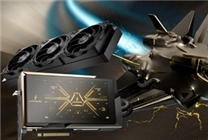
MSI’s RTX 5090 Lightning Z is poised as a flagship offering that elevates power consumption and performance to new heights. With a sophisticated 40-phase super power supply design and dual 16-pin (12V-2×6) interfaces, the theoretical capacity for power supply exceeds an impressive 1200W, showcasing the card’s luxurious specifications.
The Risks of Extreme Overclocking
The recently leaked 2500W BIOS has not been created for casual gamers but instead tailored specifically for professional overclockers who operate in extreme cooling environments, such as those utilizing liquid nitrogen. This endeavor is aimed at unlocking the GPU’s full potential, but it comes fraught with risks.
With the introduction of this extreme BIOS, there is a burgeoning movement among non-MSI brand RTX 5090 users attempting to flash this unverified BIOS across various models. This is where caution becomes paramount: the majority of commercially available RTX 5090 cards feature a single 16-pin power interface. Even if constructed with high-quality materials, these interfaces are simply not designed to manage the overwhelming currents that surpass 600W.
Potential Hazard: Design Flaws
Moreover, the inherent design flaws of the 16-pin interface elevate concerns about melting risks. Once the 600W limitation is breached, the likelihood of damage escalates significantly. Under the strain of a 2500W load, the consequences could be catastrophic, potentially leading to hardware failures or even safety hazards.
Conclusion
As graphics technology advances, so too do the limits of power consumption and performance. The MSI RTX 5090 Lightning Z is a testament to this evolution, offering extreme possibilities for those willing to push the boundaries. However, players should approach this technology with caution, considering the potential risks and ensuring that their setups can handle such power demands safely.
With the gaming landscape continually evolving, it remains to be seen how future developments will adapt to these bold advances in graphic card capabilities. As always, informed choices will be paramount for both enthusiasts and professionals navigating this exhilarating yet perilous terrain.