
### Summary
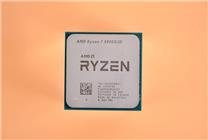
– The AMD Ryzen 7 5800X3D is currently priced higher than its successor, the 7800X3D, in the second-hand market.
– The price inversion is primarily driven by the high costs associated with DDR5 memory required for the 7800X3D, while the 5800X3D supports the more affordable DDR4.
– The growing demand for AI-related memory components may prolong the shortage of consumer-grade DRAM, maintaining high prices in the near future.
—
### AMD Ryzen Price Inversion: Exploring the Phenomenon in the Computer Hardware Market
The computer hardware market is witnessing an intriguing trend known as “price inversion,” particularly evident with the AMD Ryzen 7 5800X3D and its newer counterpart, the 7800X3D. Recent reports reveal that the second-hand market for the 5800X3D has experienced a notable surge, with price points consistently surpassing those of the 7800X3D.
#### Current Market Pricing
On platforms like Xianyu, the average second-hand price of the AMD Ryzen 7 5800X3D is approximately 2,450 yuan. In contrast, the 7800X3D, which boasts superior performance metrics, can be acquired for around 1,900 yuan. This unexpected pricing dynamic raises questions about the factors influencing consumer choices and market trends.
#### The Role of Memory Technology
At the heart of this unusual pricing phenomenon lies the compatibility of memory technology. The 7800X3D is built on the AM5 platform, necessitating the use of DDR5 memory. Unfortunately, the soaring costs of DDR5, driven by high demand and limited supply, have rendered complete system upgrades prohibitively expensive for many consumers.
Conversely, the 5800X3D operates on the older AM4 platform, which supports DDR4 memory. While prices for second-hand DDR4 components have also increased, they remain significantly lower than those of DDR5 due to the extensive availability and established market presence of DDR4 products. This accessibility allows many users to leverage existing hardware from older setups, reducing the overall costs associated with an upgrade to the 5800X3D.
#### The Impact of AI Demand on Memory Shortages
The ongoing surge in artificial intelligence applications is currently reshaping the landscape of memory manufacturing. Major semiconductor companies like SK Hynix, Samsung, and Micron have redirected their production capabilities to meet the soaring demand for High Bandwidth Memory (HBM) used in AI servers. This shift has exacerbated shortages in the consumer-grade DRAM market, impacting the affordability and availability of memory components for everyday users.
Reports indicate that the current shortages in DRAM could extend until 2028, especially as new production capacities for DDR5 remain limited and concentrated among just a few industry giants. This prolonged period of scarcity poses significant challenges for consumers looking to upgrade, particularly those eyeing the 7800X3D.
#### Consumer Considerations
For consumers navigating this pricing landscape, several factors are influencing the decision to invest in either processor. The attractiveness of the 5800X3D lies not only in its lower price but also in its compatibility with widely available DDR4 memory. Many users may find that they can upgrade to a new CPU without having to replace their entire memory subsystem, thus minimizing costs.
In contrast, while the 7800X3D offers advanced features and enhanced performance, its requirement for DDR5 makes it less appealing in a market climate where memory prices are escalating.
### Conclusion
The AMD Ryzen 7 5800X3D’s unexpected price elevation over its successor, the 7800X3D, reveals critical insights into the current state of the computer hardware market. Driven largely by memory pricing dynamics and the implications of emerging technologies in AI, this phenomenon underscores the delicate balance between demand and supply in the tech industry. As consumers weigh their upgrade options, the interplay between processor capabilities and memory costs will likely continue to shape their purchasing decisions.
—