
Global Memory Supply Shortage: South Korea’s Semiconductor Giants Step Up Production
Key Takeaways:
- Escalating Production Efforts: SK Hynix and Samsung Electronics are advancing the timelines for their wafer fabrication plants to address the ongoing global memory supply shortage.
- Stark Demand vs. Supply: Current memory chip satisfaction rates stand at just 60%, with projections indicating that supply will remain tight through 2027.
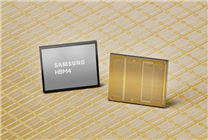
- Price Increases: The price for Samsung’s next generation of high-bandwidth memory (HBM4) is set to increase significantly, impacting market dynamics.
As the global memory supply shortage continues to affect the semiconductor market, South Korea’s leading entities, SK Hynix and Samsung Electronics, are rapidly enhancing their production capabilities. Recent reports indicate that both companies are expediting their fabrication plants to meet heightened demand.
Accelerated Production Plans
SK Hynix has announced plans to accelerate the completion of its Yongin Phase 1 wafer fabrication facility. Initially anticipated for a May 2027 completion, trial operations are now set to begin in early 2024, specifically between February and March. Meanwhile, Samsung Electronics is also adjusting its timeline, aiming to operationalize the Pyeongtaek P4 plant by the fourth quarter of this year, a significant advancement from its original timeline of early 2024.
Supply vs. Demand: A Growing Divide
According to recent data from KB Securities, as of February 2023, the demand satisfaction rate for memory chips among major clients of both Samsung and SK Hynix is staggeringly low at just 60%. This figure represents a deterioration from the previous quarter, highlighting the intensifying shortfall in supply. Market analysts are forecasting that this imbalance will persist, with an expectation of limited relief until 2027.
Citigroup forecasts that the growth in supply rates for DRAM and NAND flash memory will be 17.5% and 16.5%, respectively, contrasting sharply with significantly higher demand growth rates projected at 20.1% and 21.4%. This duality suggests that the supply-demand gap is likely to widen in the coming months and years.
Pricing Dynamics in High-Bandwidth Memory
In the realm of high-bandwidth memory, price competition is becoming increasingly fierce. Reports indicate that Samsung’s new generation HBM4 will launch with a price tag of approximately $700 per unit—a notable increase of 20% to 30% from the existing HBM3E and nearly a 30% jump from the HBM4 pricing of $550 previously offered by SK Hynix to NVIDIA in August 2022.
These pricing adjustments are expected to lead to enhanced operating profits for both semiconductor giants. Analysts predict that SK Hynix and Samsung may achieve a combined operating profit of 30 trillion won in the first quarter of 2023, driven primarily by increasing volumes and rising prices in memory products.
Micron’s Response to Global Shortage
In addition to South Korean manufacturers, U.S. giant Micron Technology is also expanding its production efforts in response to the global memory shortage. The company has recently unveiled plans to invest $24 billion into the enhancement of its wafer manufacturing plant in Singapore. This strategic investment aims to bolster production capacity and improve supply capabilities amid the ongoing market crisis.
Conclusion
The semiconductor landscape is experiencing considerable upheaval as supply shortages compel leading manufacturers to adapt their strategies rapidly. With significant investments in production facilities and adjustments to pricing strategies, both SK Hynix and Samsung Electronics are positioning themselves to capitalize on the increasing demand for memory products. As the market continues to evolve, stakeholders will closely monitor these developments, which could further influence global pricing trends and supply chain dynamics in the electronics industry.