
The Future of AI Memory: SOCAMM Modules Revolutionizing Technology
Summary:
- AMD and Qualcomm are set to explore SOCAMM memory modules for future AI applications.
- SOCAMM’s modular design promises enhanced capacity and efficiency, complementing traditional HBM technology.
- Industry shifts highlight the increasing demand for innovative memory solutions in AI systems.
As the landscape of artificial intelligence continues to evolve, the memory requirements of AI systems are transforming significantly. With the rapid expansion of agent-based applications, leading companies like AMD and Qualcomm are exploring the introduction of SOCAMM memory modules in their next-generation AI technologies and rack architectures.
The Rise of SOCAMM Memory
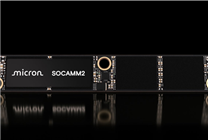
Initially conceived as a memory standard crafted for NVIDIA, SOCAMM stands out from conventional LPDDR memory typically soldered to motherboards. Its modular design allows for easy replacement and upgrades, striking a favorable balance among capacity, power consumption, and system adaptability. This flexible architecture is essential as AI models necessitate the retention of extensive context, state, and task memory over prolonged periods, thereby heightening the demand for robust short-term memory solutions.
Meeting the Demands of AI
The industry’s awareness has shifted toward incorporating an additional layer of memory architecture that accommodates both financial and operational efficiency alongside ample capacity. While high-bandwidth memory (HBM) has dominated discussions, the limitations of relying solely on HBM have prompted a growing interest in SOCAMM, which has garnered significant attention for its potential.
Key Advantages of SOCAMM:
- Enables configurations reaching terabyte-level memory capacities per CPU or accelerator platform.
- Supports the active management of millions of tokens, crucial for complex AI tasks.
- Superior power efficiency and system scalability, making it a competitive option alongside HBM.
A Look at Module Design Innovations
In their pursuit of advanced memory solutions, AMD and Qualcomm appear to be charting a course distinct from NVIDIA’s strategies. Reports suggest that they are evaluating the use of DRAM in square modular designs while integrating power management ICs (PMICs) directly onto the memory module. This innovative approach could facilitate power regulation directly on the module side, enhancing the overall efficiency of the system.
NVIDIA’s Forward-Looking Plans
NVIDIA is not standing still in this landscape; the company has outlined plans to unveil a new generation of SOCAMM memory, referred to as SOCAMM 2, which will be integrated into their Vera Rubin architecture. NVIDIA anticipates that as production scales up, SOCAMM will solidify its status as a pivotal memory option in the realm of AI systems.
Significantly, NVIDIA has shared an annual demand plan for SOCAMM with DRAM producers, targeting major suppliers like Samsung, followed by SK Hynix and Micron, to ensure a reliable supply chain as demand for these advanced memory modules surges.
Conclusion
The introduction of SOCAMM memory represents a paradigm shift in AI memory architecture. Companies such as AMD and Qualcomm are aligning with this emerging technology, suggesting a robust future where memory efficiency and capacity play critical roles in AI performance. As the adoption of SOCAMM grows, the collaboration of leading tech firms will likely set new industry benchmarks, enhancing AI applications and paving the way for future innovations.
Key Takeaways:
- The introduction of modular SOCAMM memory marks a significant advancement in AI technology.
- Enhanced configuration options and power efficiency position SOCAMM as a prime candidate alongside traditional memory types.
- Forward-thinking strategies by industry leaders like AMD, Qualcomm, and NVIDIA signal a transformative era in AI memory solutions.
With these developments, the AI industry is poised for a remarkable transformation, leveraging SOCAMM’s capabilities to advance future innovations.