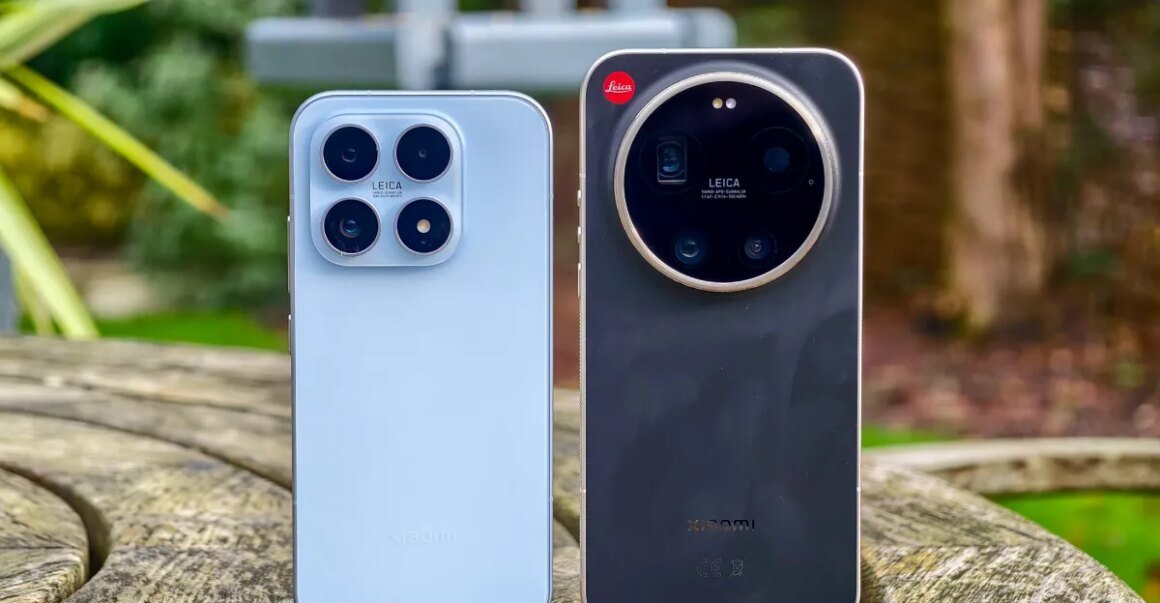

The smartphone market is facing a significant challenge due to a RAM crisis, leading to predictions that phone prices will likely increase. Major companies, including Xiaomi, are looking to offset these rising costs through higher production volumes, particularly in the mid-range and entry-level segments. However, flagship models like the Xiaomi 17 and 17 Ultra, which maintain their pricing from the previous year, may be exceptions in an increasingly volatile market.
This situation is particularly relevant for consumers considering the purchase of a new smartphone. As prices are expected to rise, potential buyers might find themselves questioning whether to invest in an existing model or wait for newer releases. Companies are maneuvering through this crisis, making it essential for buyers to understand the broader implications as they look for devices that balance features and affordability.
In terms of market alternatives, buyers in the mid-range segment might consider options like the Google Pixel 7a, priced around $350, or the Samsung Galaxy A54, which retails for about $450. Both models offer solid performance and camera quality without the high costs associated with flagship devices. On the other hand, if you prefer higher specs and are willing to pay more, the iPhone 14 starts around $800 but comes with premium features that might justify the price for some users. Each of these options caters to different needs and priorities, whether you’re looking for value or premium features.
Ultimately, this evolving landscape means buyers should evaluate their needs carefully. If you are budget-conscious and need a reliable phone for general use, consider lower-cost models, as they may continue to provide good value despite rising prices elsewhere. Conversely, if you prefer the latest technologies and premium experiences, it might be worth enduring the potential price hike for a flagship model. Always assess your specific requirements before making a purchase, as the current context could lead you to a more suitable alternative.
Source:
www.theverge.com